
#CryptoMarket #BitcoinSurge #RateCutImpact #AltcoinsGrowth #FederalReserve #MarketAnalysis #InvestmentTrends #DigitalCurrencies
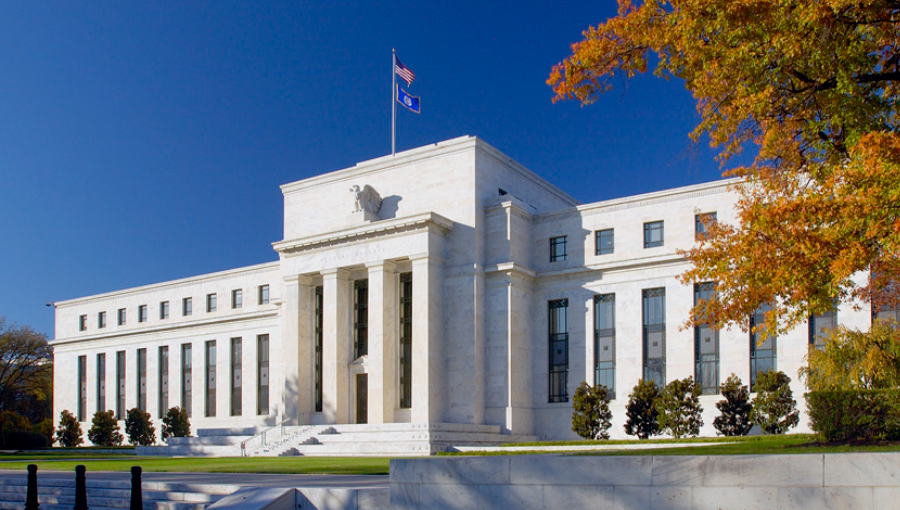
The cryptocurrency market recently witnessed a substantial rally, triggered by the Federal Reserve’s decision to cut interest rates. This pivotal financial maneuver played a significant role in infusing optimism among investors, leading to a notable surge in digital asset prices across the board. Most notably, Bitcoin, the flagship cryptocurrency, soared to a 23-day peak, marking a significant turnaround following weeks of sideways trading. This resurgence in Bitcoin’s value not only underscored its resilience amid macroeconomic adjustments but also catalyzed momentum across the altcoin market, with several alternative digital currencies registering impressive gains.
The immediate aftermath of the rate cut saw the total market capitalization of cryptocurrencies swell by an impressive $100 billion on a daily basis. This uptick is not just a reflection of growing investor confidence but also highlights the increasing receptiveness of the broader financial market to cryptocurrencies as legitimate investment vehicles. The rate cut, by making traditional low-risk investments less attractive due to reduced returns, nudged investors toward higher-risk, higher-reward assets like cryptocurrencies. As a result, both established altcoins and emerging tokens experienced heightened trading volume and valuation, indicating a robust demand and optimistic market sentiment.
In dissecting the altcoin market’s performance post-rate cut, it becomes evident that the surge was not uniformly distributed. Certain altcoins outperformed others, driven by a combination of factors including project-specific developments, increased utility, and strategic partnerships that bolstered their market position. These digital assets not only capitalized on the general market optimism but also demonstrated the growing differentiation within the crypto market, where discerning investors are increasingly allocating their resources based on fundamental analysis, technological advancements, and real-world application potential.
The Federal Reserve’s decision to cut rates, therefore, had a ripple effect, reinforcing the interconnectedness of cryptocurrency markets with traditional financial systems. As investors globally adjust their portfolios in response to this monetary policy shift, the surge in cryptocurrency valuations also brings to light the broader implications for financial regulation, market stability, and the ongoing evolution of digital currencies as both speculative assets and mediums of exchange. The ability of the crypto market to respond positively to macroeconomic stimuli underscores its maturing infrastructure and burgeoning role within the global financial ecosystem. As the market continues to navigate through these dynamics, the analysis of such events will remain paramount in understanding the trajectory of digital currencies and their impact on the broader economy.





Comments are closed.