

#MergerControl #FinancialRegulation #ConsumerProtection #FinancialIntermediation #BankingIndustry #MarketCompetition #EconomicPolicy #RegulatoryOversight
Merger crackdown may overlook bigger financial issues
An important task for regulators is to understand how different forms of financial intermediation fit together to benefit customers. The regulatory landscape is no stranger to stringent policies aimed at curbing potential monopolistic practices within the financial sector. While mergers and acquisitions (M&A) frequently attract scrutiny due to concerns about reduced competition and consumer harm, these aspects form only a part of a much larger and complex ecosystem. The intricate web of financial intermediation, which encompasses the myriad ways financial institutions channel funds from savers to borrowers, is vital in ensuring a healthy and robust financial system.
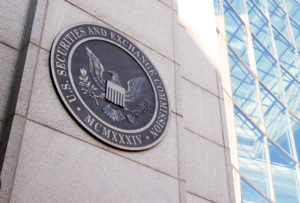
One of the core elements often overlooked amid merger scrutiny is how these financial intermediaries work synergistically to optimize benefits for end consumers. Banks, credit unions, insurance companies, and investment firms play distinct yet interconnected roles within the financial system. By focusing myopically on M&A activities, regulators might miss out on assessing the broader impact of financial policies on market stability and consumer welfare. It’s essential for regulatory bodies like the Federal Reserve and the Securities and Exchange Commission (SEC) to adopt a holistic approach that considers how various financial entities collaborate to enhance customer value.
Furthermore, the landscape of financial intermediation is evolving rapidly with the advent of fintech and digital banking. These new entrants are reshaping traditional roles and introducing competitive forces that can both supplement and challenge established institutions. The regulatory focus on traditional M&A might overlook the disruptive potential of these technological advancements that could democratize financial services and spur innovation. Moreover, these digital platforms often operate outside the conventional regulatory frameworks, raising questions about how regulatory oversight can adapt to cover these emerging players effectively.
In summary, while the crackdown on mergers aims to prevent market monopolies and protect consumers, there’s a pressing need for regulators to widen their lens. Understanding the symbiotic relationships within financial intermediation and the transformative impact of technology can lead to more informed and comprehensive regulatory policies. Such an approach will not only address antitrust concerns but also foster a more resilient and inclusive financial ecosystem. Failing to consider these broader implications may mean that, despite rigorous merger regulations, larger systemic issues within the financial sector remain unaddressed.



Comments are closed.