

#BigLots #Bankruptcy #ConsumerDownturn #DollarGeneral #RetailCrisis #EconomicSlowdown #Inflation #InterestRates
In a troubling sign for the retail industry, Big Lots, a prominent home goods retailer operating approximately 1,400 stores across the United States, is reportedly considering filing for bankruptcy in the face of a persistent consumer downturn. The economic strain, particularly felt by low to mid-tier consumers, has led to a significant reduction in demand for discretionary items. This downturn was underscored by Dollar General’s recent financial performance, which fell short of Wall Street’s expectations, leading to a cut in its full-year forecast. The company attributed its poor performance to the financial constraints felt by its core customers, echoing a wider trend of diminishing consumer spending.
Further reports from Bloomberg indicate that the Ohio-based retailer has been grappling with a severe sales slump that precipitated a substantial drop in its share price – nearly a 99% decline from its mid-2021 peak. In efforts to stave off bankruptcy, Big Lots has been actively seeking investors while exploring additional financing options to navigate through its liquidity crisis. Early in the year, the company secured a loan aimed at alleviating this crunch, but the need for more financial support has only intensified in recent weeks. The company has also approved one-time retention bonuses for top executives, totaling over $5 million, a move often preceding major corporate restructurings or bankruptcy filings.
The financial woes of Big Lots are symptomatic of a broader retail crisis, exacerbated by persistent inflation and high interest rates which have collectively dampened demand for big-ticket, discretionary purchases. The past two years have seen a sharp decline in sales for the retailer, underscoring the challenges facing companies reliant on discretionary consumer spending in an inflationary economy. This situation is further compounded by the Federal Reserve’s monetary policy, which has been aimed at controlling inflation through interest rate hikes, thereby increasing the cost of borrowing for consumers and businesses alike.
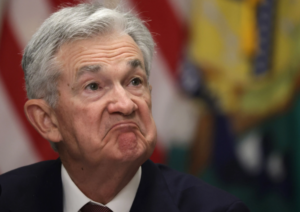
As Big Lots teeters on the brink of bankruptcy, this development serves as a stark indicator of the retail sector’s struggles amidst an economic downturn. The potential bankruptcy filing by such a significant player in the retail space not only highlights the ongoing liquidity challenges faced by companies but also reflects the broader economic issues of declining consumer spending and financial instability. The Federal Reserve’s anticipated move to initiate an interest rate-cutting cycle on September 18 stands as a testament to the pressing need to address the economic slowdown, with troubled retailers like Big Lots becoming the more visible casualties of these turbulent financial times.

Comments are closed.