
#PeterSchiff #FederalReserve #Inflation #InterestRates #EconomicPolicy #JacksonHole #DNC2024 #TrumpEndorsement
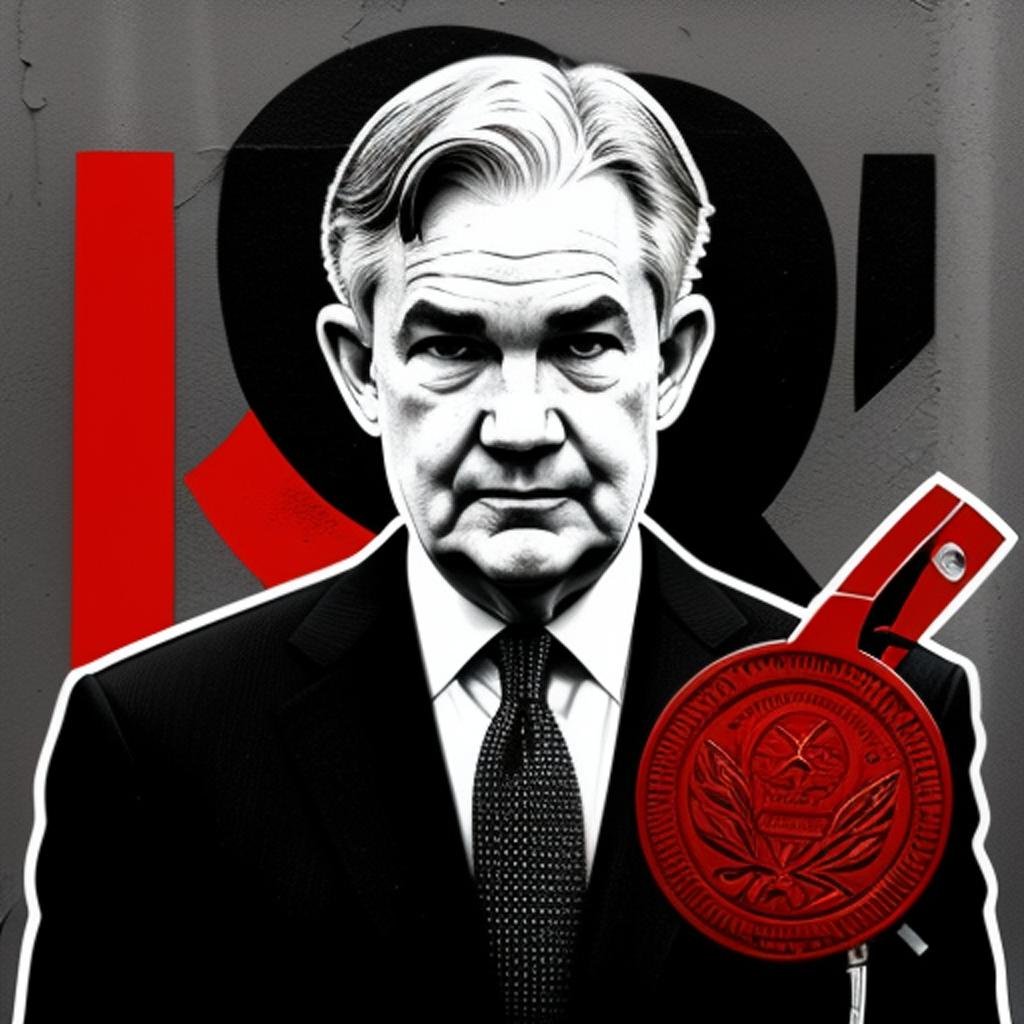
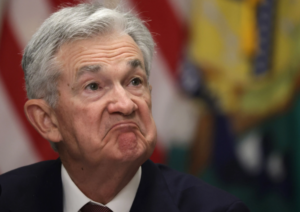
In a recent episode dissecting the Federal Reserve’s latest maneuvers and broader economic discussions, economist Peter Schiff levied criticism against the Fed’s decision to pivot on its economic policy, signaling potential rate cuts despite insufficient evidence, in his view, to justify such a move. Schiff’s analysis, shared on SchiffGold.com and further elaborated through his podcast and various linked sources, scrutinizes Fed Chair Jerome Powell’s address at the Jackson Hole conference. Schiff challenges Powell’s optimism regarding inflation’s downturn towards the 2% target. Citing recent CPI data showcasing a 2.9% inflation rate, Schiff questions the basis of Powell’s assertion that inflation is on a definitive path to reduction, suggesting a mismatch between the Fed’s expectations and the available economic indicators.
Schiff further reflects on the Fed’s tricky dance between countering inflation and addressing unemployment, pointing out the difficulty in bolstering the labor market without igniting inflationary pressures. His critique extends to the foundational approach the Fed has taken towards economic recovery, which, according to Schiff, is built on a precarious base of low interest rates and excessive debt. This critique underscores a broader skepticism of the Fed’s strategy, suggesting that the pivot from battling inflation to staving off unemployment could reflect a misjudgment of the economy’s underlying issues. Schiff’s analysis encapsulates a concern that the shift in focus might exacerbate rather than mitigate economic vulnerabilities.
Expanding his commentary beyond monetary policy, Schiff delves into political observations, notably surrounding the Democratic National Convention (DNC) and the political endorsements emerging in the lead-up to the next presidential election. He portrays the DNC as an event that overtly vilified opposition, notably Donald Trump, in a manner unprecedented in Schiff’s experience. Furthermore, Schiff highlights what he considers deceptive critiques of Trump by the DNC, arguing that much of the criticism is based on misrepresentations or out-of-context statements. This political discourse feeds into his broader narrative that current political and economic debates are marred by misinformation and strategic mischaracterizations.
One of the more unexpected political developments Schiff touches on is RFK Jr.’s endorsement of Donald Trump for president, a move Schiff sees as a potential catalyst for a “unity campaign” capable of challenging the establishment. He interprets this alliance as a beacon of hope for addressing not only domestic fiscal and monetary challenges but also for reevaluating the U.S. stance on international conflicts and interventions. Schiff sees in the Kennedy-Trump endorsement a possibility for realigning U.S. foreign policy towards ending “wasteful wars” and fundamentally questioning the neoconservative grip on American politics. This perspective, embedded within his economic critique, signals Schiff’s broader discontent with the current trajectories of both U.S. economic policy and political discourse.


Comments are closed.