
#FederalReserve #JeromePowell #RateCut #Inflation #MonetaryPolicy #SeptemberMeeting #EconomicData #InterestRates
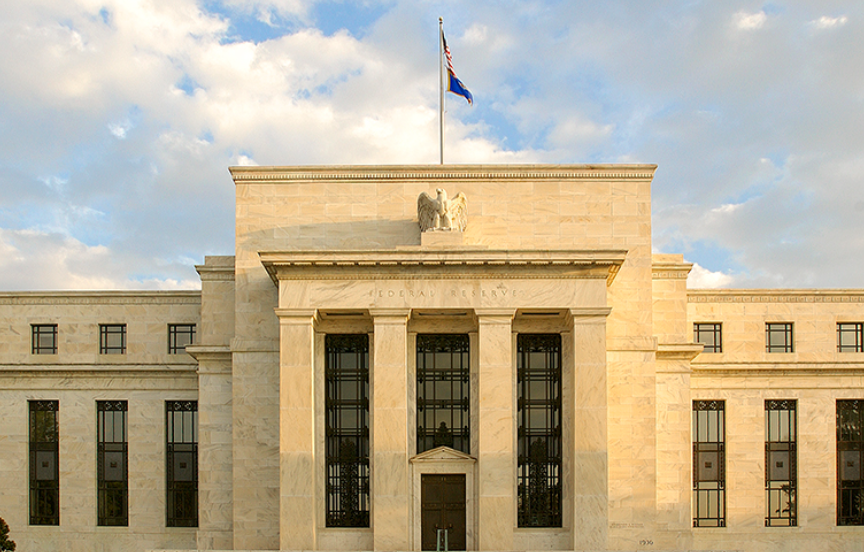
During a recent press conference, Federal Reserve Chair Jerome Powell opened up the possibility of a rate cut in the upcoming September meeting. This announcement comes as a pivotal moment for analysts and investors alike, who have been closely monitoring the Federal Reserve’s moves in an effort to tame the inflation that has been affecting the economy. Powell’s statement that a rate cut is “on the table” hinges significantly on the continuation of encouraging inflation data, suggesting a data-driven approach to the Federal Reserve’s monetary policy decisions.
In recent months, inflation has been a critical concern for the Federal Reserve, prompting a series of interest rate hikes in an effort to stabilize prices. However, the possibility of a rate cut signals a potential shift in the Federal Reserve’s strategy, recognizing improvements in the inflation outlook. This move is highly anticipated by the market, as interest rate decisions have profound implications for lending rates, consumer spending, and overall economic growth. Jerome Powell’s emphasis on the dependency of a rate cut on positive inflation data underscores the Federal Reserve’s cautious approach to ensuring sustained economic stability.
The implications of Powell’s announcement are far-reaching. A rate cut could ease borrowing costs, potentially stimulating economic activity by encouraging spending and investment. However, the Federal Reserve’s decision will heavily depend on the inflation data in the weeks leading up to the September meeting. Should the data indicate that inflation is cooling off in a sustainable manner, the Federal Reserve might proceed with the rate cut. Conversely, if inflation figures do not align with the Federal Reserve’s objectives, the rate cut could be postponed to ensure that monetary policy remains aligned with the long-term goal of price stability. As the date of the September meeting approaches, all eyes will be on the incoming economic data, which will play a critical role in shaping the Federal Reserve’s next move.





Comments are closed.