
#China #ThirdPlenum #Beijing #PolicyMeeting #EconomicReform #ChineseLeadership #PoliticalStrategy #EconomicPolicy
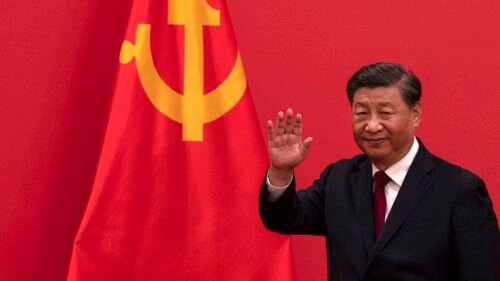
China’s top leadership, under the governance of the Communist Party, convened in Beijing for a critical policy meeting known as the Third Plenum. This event, which ran from Monday to Thursday, held significant anticipation both domestically and internationally, as it typically serves as a platform for announcing major economic and political reforms. The Third Plenum meetings, historically, have been pivotal in shaping China’s policy direction, thus, the outcomes of this meeting were closely watched by global markets, political analysts, and investors.
During the plenum, a select group of China’s highest-ranking officials deliberated on a range of topics, with economic policies and reforms taking center stage. The meetings have historically been a venue for launching significant reforms intended to drive economic growth, address structural issues, and respond to both internal and external challenges facing China. Given the backdrop of economic slowdowns, trade tensions with major partners, and internal challenges such as demographic shifts and environmental concerns, the stakes were particularly high. The decisions and announcements emanating from this plenum were seen as indicative of China’s policy trajectory over the coming years, affecting not only its domestic agenda but also its role and positioning on the global stage.
The focus on economic reform is particularly noteworthy, as it signifies the leadership’s continued commitment to transitioning the economy from being export and investment-driven, to one more focused on consumption and services. This shift is critical for China’s long-term economic sustainability and its aspirations to become a more influential global economic player. Additionally, with the international community watching closely, the outcomes of the Third Plenum could signal how China intends to navigate its relationships with major trade partners, handle geopolitical tensions, and commit to environmental sustainability. The plenum’s conclusions will thus have far-reaching implications, influencing global economic trends, international relations, and the strategic calculations of both multinational corporations and governments around the world.





Comments are closed.