
#FederalReserve #SoftLanding #InterestRates #Inflation #EconomicGrowth #MonetaryPolicy #FederalDebt #FinancialStability
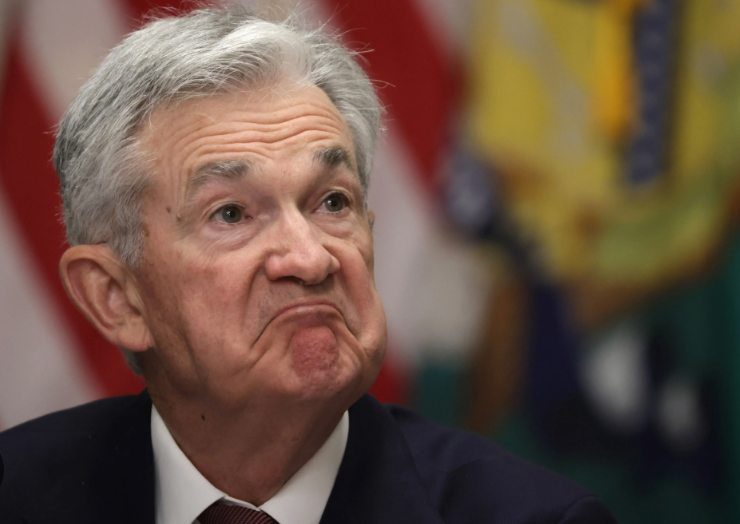
The narrative of a “soft landing” by the Federal Reserve has been a topic of discussion and analysis, especially considering the Fed’s recent actions and statements. According to Ryan McMaken via The Mises Institute, the Federal Open Market Committee’s decision to maintain the target policy interest rate at 5.5 percent since July 2023 underlines a hopeful anticipation for a stable economic path forward. Chair Jerome Powell’s comments during the FOMC press conference echoed a positive outlook, characterized by sustained growth, strong employment trends, and moderating inflation.
However, skepticism surrounds this narrative, considering the historical difficulty of the Federal Reserve in achieving such a balanced economic maneuver. The concept of a “soft landing” – slowing inflation without triggering a recession – remains elusive, with past attempts often preceding job losses and economic downturns. The optimism conveyed by Fed officials, as seen in the Summary of Economic Projections, promises no recession and a gradual reduction in interest rates to foster growth and maintain employment stability. Yet, the reality suggests that sharp interest rate adjustments by the Fed have historically been followed by significant increases in unemployment, challenging the plausibility of a smooth transition.
Beyond the intricacies of monetary policy, the Federal Reserve’s dual objectives appear at odds. While aiming to control inflation and support economic growth, the Fed also faces immense pressure to maintain low interest rates to facilitate the federal government’s borrowing needs amid soaring national debt. This tension reveals a complex balance between combating inflation and accommodating fiscal expansion, often leading to policy decisions that may prioritize financial facilitation for the government over long-term economic stability. As such, the Fed’s maneuvers are critically observed in the context of broader political and economic implications, highlighting the intricate relationship between monetary policy, governmental borrowing, and the overall health of the economy.
The dialogue around the Fed’s capacity to engineer a “soft landing” continues amid these challenges, raising questions about the reliability of current economic projections and the possible consequences of prolonged low interest rates on national debt and inflation. As the debate unfolds, the focus remains on the Federal Reserve’s next moves and their impact on the intricate balance of fostering growth while avoiding the pitfalls of past monetary policies.

Comments are closed.