
#WhiteHouse #MediaControversy #BidenAdministration #PressEthics #Journalism #PoliticalTransparency #FakeNews #MediaBias
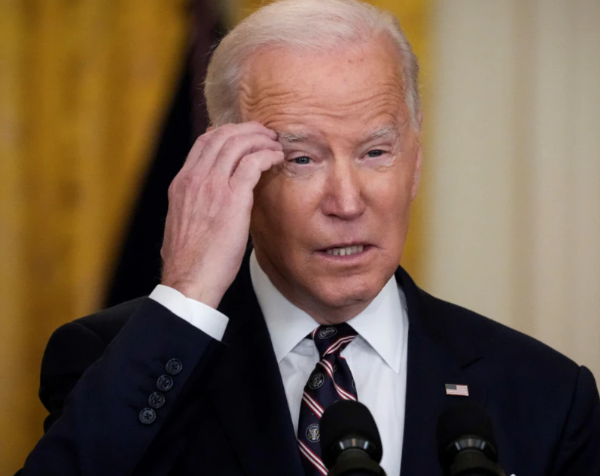
The topic of whether the press receives questions in advance before presidential briefings has resurfaced, sparking debates across the political and media spectrums. Kelly O’Donnell, the President of the White House Correspondents’ Association and a correspondent for NBC News, recently addressed allegations suggesting that the press corps had been handing over questions to President Biden prior to engagements. O’Donnell publicly refuted these allegations on social media platforms, emphasizing that the White House press corps does not engage in the practice of providing questions before briefings. She clarified that while the president’s team might be aware of the journalists credentialed to attend, and thus may have a list of potential reporters from various media outlets, this does not extend to preselecting or providing questions.
The controversy was further inflamed by journalist Stephen Miller, who accused O’Donnell of disseminating falsehoods. He referenced a widely circulated picture from the previous year showing a journalist from the Los Angeles Times with what appeared to be a list of questions prepared in advance. This accusation stoked the ongoing discussion regarding media impartiality and the transparency of the interactions between the press and the Biden administration. Such instances have led critics to question the integrity of the journalistic process, suggesting that there could be a coordinated effort to manage the narrative surrounding the presidency by controlling the questions posed during press engagements.
Complicating matters, there was an incident involving a Milwaukee radio host who resigned after admitting to receiving questions from Biden aides ahead of an interview, a revelation that contradicts O’Donnell’s defense. Furthermore, it was admitted that the interview was edited at the request of the Biden campaign. These developments have fueled skepticism regarding the authenticity of press engagements with the administration and have led some to allege that there is a systemic issue with how information is controlled and presented to the public. The unfolding of these events highlights a critical challenge facing media credibility and the need for a dialogue about the standards of journalism and the relationship between the media and political figures. The essence of democracy is contingent upon the transparency and integrity of this relationship, underscoring the necessity for ongoing scrutiny and accountability within these interactions.





Comments are closed.