
#FreeSpeech #Censorship #BidenAdministration #DigitalStrategy #SocialMedia #Election2024 #Democracy #ContentModeration
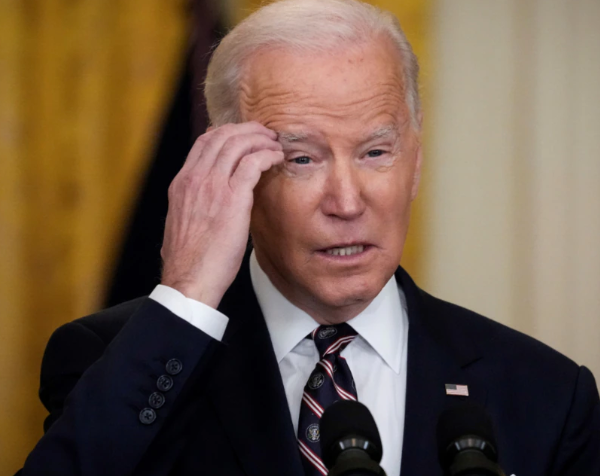
In an era increasingly characterized by debates over free speech and censorship, the Biden administration’s recent appointment has reignited discussions around the subject. Jonathan Turley, in an article, casts President Joe Biden as potentially the most anti-free speech president since John Adams, pointing to Biden’s continued employment and endorsement of individuals known for advocating for speech regulation and control. The latest in this line of appointments is Andy Volosky, who now serves as the deputy director of platforms for the White House’s Office of Digital Strategy. Notably, Volosky has a public history of supporting the ban of former President Donald Trump from social media platforms, a stance that aligns with broader concerns about the administration’s approach to free speech and censorship.
Turley’s opinions draw a parallel between the current administration and that of John Adams, suggesting that the issue of free speech could play a pivotal role in the upcoming 2024 elections in a manner reminiscent of the 1800 election where free speech was a central issue. He expresses surprise that this topic has not been more prominently featured in the political discourse against Biden, especially given public sentiment that generally opposes censorship. This public discourse—or lack thereof—around free speech comes at a time when digital platforms have become the main stage for political and societal debate, making the positions held by individuals like Volosky all the more significant.
Volosky’s perspectives on social media and free speech contribute to a larger discussion about the role of digital platforms in democracy and the necessity of content moderation. In a blog post discussed by Turley, Volosky praises the Democrats’ calls for regulation of these platforms, emphasizing the importance of active involvement by social media professionals to ensure honesty and user safety. His stance represents a broader movement that has roots in higher education and has been propelled by both political and media establishments, despite a lack of support from the general electorate.
This situation underscores the evolving challenges and debates surrounding free speech in the digital age. As the 2024 election approaches, the topic of free speech, particularly in the context of social media and digital strategy, is likely to become even more significant. The administration’s stance on censorship and content moderation, as epitomized by the appointment of figures like Volosky, presents an opportunity for political rivals to question and challenge Biden’s record on these foundational democratic principles. This political strategy could serve to highlight the critical importance of free speech in sustaining a democratic society, resonating with historical precedents and potentially influencing the electoral landscape.


Comments are closed.