
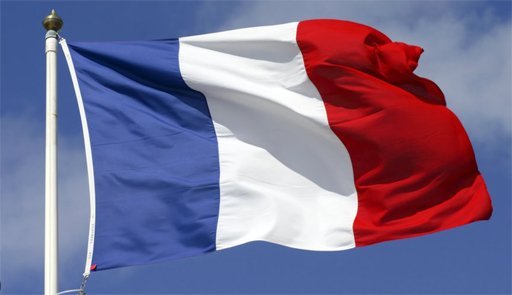
#NewPopularFront #EmmanuelMacron #FrenchPolitics #PoliticalPurge #France #PoliticalMovements #LeftWing #ElectionThreat
This week saw the emergence of a new political entity in France, named the New Popular Front, which is poised to present a significant challenge to the current political status quo under President Emmanuel Macron. The New Popular Front, consolidating various factions from the left-wing spectrum, aims to unify the opposition against Macron’s administration, offering an alternative vision for France’s future. However, the coalition’s promising start has been quickly overshadowed by a series of internal conflicts and purges that have raised questions about its stability and longevity.
The formation of the New Popular Front was a strategic move, intending to bring together diverse political groups including socialists, communists, and environmental activists under one banner to strengthen the opposition against Macron’s centrist government. This alliance was seen as a potential turning point in French politics, capitalizing on the growing discontent among the population with Macron’s policies, particularly in areas such as labor reform, environmental issues, and social welfare. The belief was that a unified front could more effectively contest elections and apply pressure on the government to enact changes.
However, the unity within the New Popular Front has been quickly tested. Reports of a purge targeting certain members and factions within the coalition have surfaced, leading to public disputes and a fracturing of the newly formed unity. These internal battles not only threaten the coalition’s ability to operate as a cohesive force but also undermine its credibility among supporters and the wider public. Critics argue that if the New Popular Front cannot manage its internal disagreements, its chance of posing a serious threat to Macron’s presidency could diminish significantly.
The situation surrounding the New Popular Front highlights the complexities of building a unified political movement from diverse groups with varying ideologies and priorities. While the formation of such a coalition represents a bold attempt to reshape French politics and challenge the current leadership, its success will largely depend on its ability to overcome internal divisions and present a coherent, united front to voters. As France moves closer to future electoral contests, the evolution of the New Popular first will be closely watched by both supporters and adversaries alike.



Comments are closed.