
#Macron #France #EuropeanUnion #EU #Elections #Politics #EuropeanParliament #FrenchPolitics
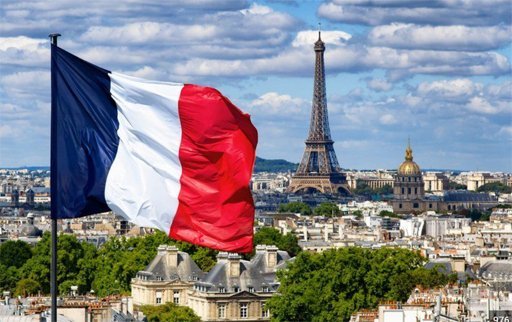
In a surprising turn of events, French President Emmanuel Macron’s decision to call for a snap poll has sent ripples across the political landscape, not only within France but across the European Union (EU) as a whole. This decision comes at a time when Europe is facing unprecedented challenges, including economic strain, questions about sovereignty and identity, and the need for reform within the EU itself. Macron’s move is not just a reflection of internal French politics but signals a potentially transformative moment for the EU.
Macron’s leadership has always leaned towards a stronger, more unified Europe. His vision encompasses a European Union that is not only more financially integrated but also possesses a unified stance on global issues, ranging from climate change to international trade and security. The outcome of this snap poll could therefore significantly influence the direction in which the EU moves, potentially swaying key policies and reforms that Macron has been championing. It is more than just a national election; it is an event that could define the future course of the EU, especially considering France’s role as a leading member state and its ability to shape EU policy.
While elections to the European Parliament are key to determining the legislative future of the EU, Macron’s snap poll might hold more immediate and tangible implications for the Union’s direction. This is because the French president’s stance on issues such as EU expansion, fiscal unity, and digital regulation could directly influence the bloc’s approach to these challenges. Moreover, Macron’s ability to enact reforms and shape policy is closely tied to his domestic political standing. As such, the results of this snap poll could either empower or hinder his visionary policies for the EU.
This unfolding scenario underscores the interconnectedness of EU member states and the impact that national politics can have on the entire Union. As such, this snap poll not only represents a critical juncture for France but also serves as a bellwether for the future direction of the European Union. The results could either bolster Macron’s vision of a more integrated, forward-thinking EU or compel a reevaluation of the Union’s current trajectory. In essence, the stakes are high, and the implications of this election will reverberate well beyond France’s borders, highlighting the complex and intertwined nature of EU politics.



Comments are closed.