
#SEC #ether #ETFs #cryptocurrency #investment #financialmarkets #blockchain #digitalassets
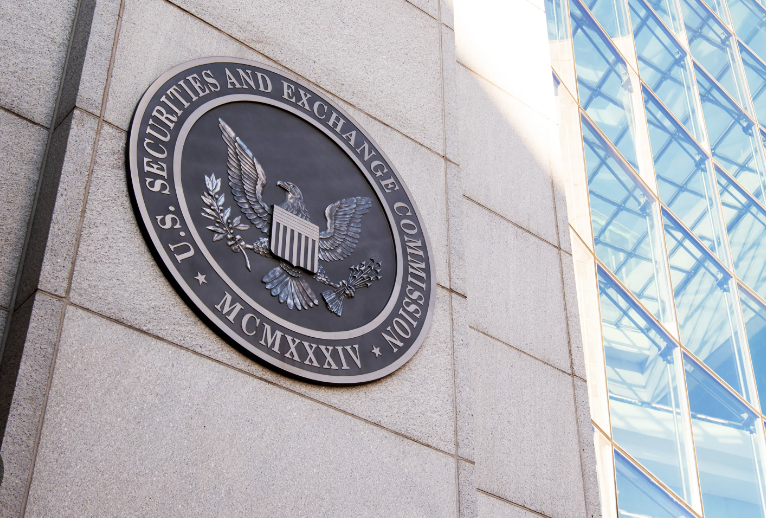
The U.S. Securities and Exchange Commission (SEC) is at the cusp of a pivotal decision that could significantly shape the future landscape of cryptocurrency investments, particularly with respect to Ethereum, the blockchain platform that has gained immense popularity following Bitcoin. The regulatory body is poised to make a ruling on whether to approve Ether Exchange-Traded Funds (ETFs), a move that has been eagerly anticipated by investors and could usher in a new era for digital asset investments.
If green-lit, Ether ETFs would provide a mainstream investment vehicle for individuals and institutional investors to gain exposure to Ether without the need to directly purchase and hold the cryptocurrency. This could potentially open the floodgates to a broader demographic of investors who are looking for a more conventional way to explore the burgeoning world of cryptocurrency investments. Moreover, the approval is expected to lend an additional layer of legitimacy and stability to the Ether market, which has traditionally been viewed with skepticism due to its volatility and the regulatory uncertainty surrounding digital currencies.
The implications of the SEC’s decision are far-reaching. For one, it could catalyze further interest in Ethereum’s technology and its smart contract capabilities, reinforcing its position as a leading blockchain platform for decentralized applications (DApps) and finance (DeFi) projects. Secondly, the introduction of regulated financial products such as Ether ETFs could pave the way for more digital assets to be considered for similar investment vehicles, opening up a wider array of opportunities for investors and providing a clearer regulatory framework for the cryptocurrency market.
Investors and market watchers are closely monitoring the SEC’s moves, aware that its decision on Ether ETFs could mark a significant milestone in the evolution of cryptocurrency investments. The potential approval points to a growing recognition of digital assets within the broader financial landscape, signaling a shift towards more inclusive and diversified investment portfolios that embrace the digital economy.





Comments are closed.