
#GoldPrices #SilverPrices #SafeHaven #USTreasury #Geopolitics #MiddleEast #IsraelIran #MarketAnalysis
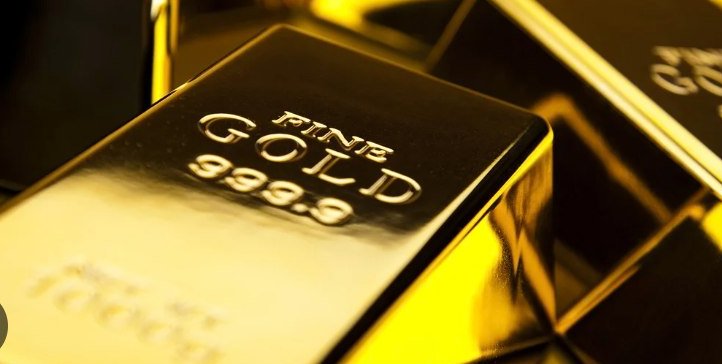
Amid the dynamic and often unpredictable nature of global markets, precious metals continue to captivate investors’ attention. On a recent trading day, observed trends in the prices of gold and silver offered a mixed picture, reflecting a complex interplay of factors that include geopolitical tensions, market sentiment, and macroeconomic indicators. Gold, traditionally seen as a safe haven during times of uncertainty, experienced a slight decline in its value, with June gold dropping $9.10 to close at $2,365.00. This movement occurred against a backdrop of cautious optimism that the geopolitical tensions in the Middle East, particularly the confrontation between Israel and Iran, might not escalate further. This scenario has somewhat dampened the safe-haven buying interest that typically supports gold’s value during crises.
On the other hand, silver prices bucked this trend, with May silver climbing $0.33 to settle at $28.65. The divergence in the performance of these two precious metals underscores the multifaceted influences that drive their prices. While both are considered safe havens, silver’s industrial demand plays a significant role in its price dynamics, possibly cushioning it against the factors weighing down on gold. Additionally, the start of the trading week saw a rise in U.S. Treasury yields, a development that tends to exert downward pressure on gold and silver prices. Higher yields make non-yielding assets like gold less attractive to investors, as treasuries offer both safety and income.
The marketplace remains tense, with the specter of geopolitical instability in regions like the Middle East casting a long shadow over global economic prospects. The situation underscores the critical role of precious metals in investment portfolios, not just as safe havens but also as a hedge against inflation and currency devaluation. Investors closely monitor the unfolding events and policy signals that may impact these metals’ demand and supply dynamics, from central bank decisions to fiscal policies and geopolitical developments. The nuanced performance of gold and silver amidst these considerations highlights the importance of a diversified investment approach, informed by a keen understanding of the global economic landscape and the myriad factors that influence market movements.
Looking ahead, the trajectory of gold and silver prices will likely continue to be influenced by a combination of geopolitical risks, economic indicators, and policy decisions from major economies. As investors navigate this terrain, the interplay between safe-haven demand, interest rate expectations, and broader market sentiment will be critical in shaping investment strategies. The resilience of precious metals, despite fluctuations, underscores their enduring value and appeal in a complex world marked by uncertainty and change. As such, they remain vital components of a well-rounded investment portfolio, offering both protection against volatility and the potential for appreciation in uncertain times.



Comments are closed.