
#inflation #economy #FederalReserve #interestrates #servicesprices #monetarypolicy #economicoutlook #financialmarkets
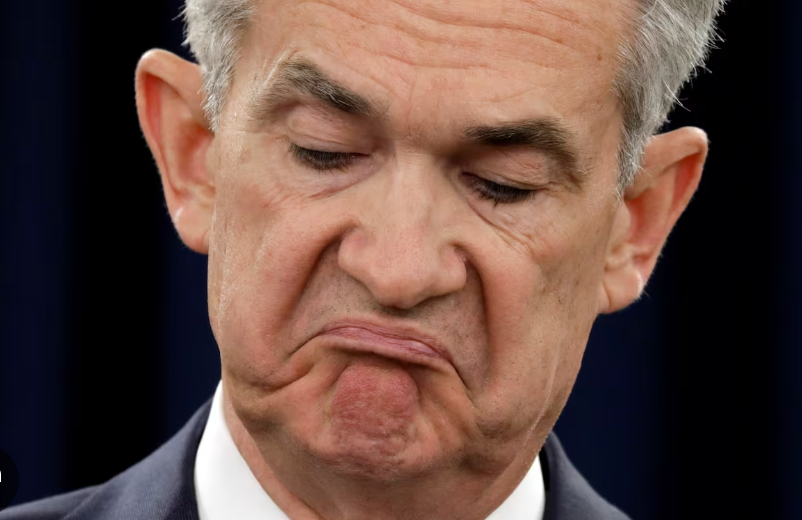
As the Federal Reserve continues its mission to temper inflation, a significant challenge has emerged in the form of stubborn services prices. Despite aggressive monetary policy measures, including successive interest rate hikes aimed at cooling the economy, the persistence of high services prices signals a potentially long-term hurdle for policymakers. Financial experts and economists are increasingly concerned that this phenomenon may indicate a more entrenched inflationary environment than previously anticipated, posing a meaningful problem to the Federal Reserve’s efforts to stabilize prices without inducing a recession.
The services sector, encompassing a broad array of services from healthcare to restaurant dining, is a critical component of the American economy, accounting for a substantial portion of the GDP. Unlike goods, whose prices can quickly adjust to changes in supply and demand, services prices are stickier, partly due to the labor-intensive nature of the sector. Wages, once raised, are difficult to reduce, and these costs are often passed on to consumers, sustaining inflationary pressures. The Federal Reserve’s standard tools, particularly interest rate adjustments, have a more muted effect on services inflation because of these dynamics. This decoupling of services prices from the Fed’s traditional levers is a significant concern, complicating efforts to guide inflation back to the target rate without severely impacting economic growth and employment.
Moreover, the persistence of high services prices underscores broader economic challenges, including labor market tightness and shifting consumer preferences, which may require a nuanced approach from the Federal Reserve beyond simple rate adjustments. For instance, as the labor market remains robust, with low unemployment and high job vacancies, wage pressures continue to contribute to service sector inflation. Additionally, post-pandemic shifts in consumer spending from goods to services have intensified demand pressures in the sector, further complicating the inflation outlook.
Financial markets are closely monitoring the Federal Reserve’s response to these challenges. An overly aggressive tightening policy risks tipping the economy into a downturn, while insufficient action might allow inflation to become entrenched, eroding purchasing power and savings. The central bank’s navigation of this tightrope walk between stifling inflation and sustaining economic growth is critical, not just for domestic economic prospects but also for global financial stability. As such, economists and policymakers alike are advocating for a blend of monetary policy adjustments, fiscal measures, and structural reforms to address the root causes of stubborn services inflation. The outcome of these efforts will have profound implications for the economic outlook, influencing everything from consumer spending and business investment to the broader trajectory of global financial markets.

Comments are closed.