

#TreasuryRates #FederalReserve #JeromePowell #InterestRates #EconomicPolicy #FinancialMarkets #MonetaryPolicy #InterestRateDecision
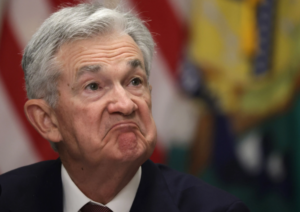
In the financial world, nuanced shifts in policy and market perception can have wide-ranging ramifications, and such was the case on a seemingly tranquil Wednesday. Federal Reserve Chairman Jerome Powell, in remarks that were closely monitored by investors and economists alike, signalled a pivotal stance regarding the future direction of interest rates in the United States. The essence of Powell’s message was clear: there is no rush on the part of the Federal Reserve to adjust its interest-rate policy, as the central bank prefers to wait for more data before making further decisions.
This announcement led to a relatively unmoved reaction across the Treasury curve, a notable event given that Treasury yields, which move inversely to prices, are often sensitive to even the slightest hints of future monetary policy shifts. The Federal Reserve, under Powell’s stewardship, has emphasized a data-driven approach to its decisions on interest rates. This methodology seeks to maintain a balanced and adaptable approach to economic growth, inflation, and employment, the critical pillars of the Fed’s mandate. By stating that the Fed “has time,” Powell is hinting at a willingness to let upcoming economic indicators determine the course of action. This could potentially stave off immediate hikes in interest rates, a relief to markets that have been jittery about the acceleration of inflation and its dampening effect on economic recovery.
The implications of Powell’s stance are multifaceted. For one, it suggests a period of observation and analysis where upcoming economic data—ranging from inflation rates to employment figures—will play a crucial role in shaping the Federal Reserve’s future interest rate decisions. This measured approach can provide some stability and predictability to investors and financial markets, which often thrive under conditions of lower uncertainty. Secondly, it reflects a broader strategy of cautious optimism, acknowledging the current economic pressures such as inflation, while also recognizing the potential for a robust recovery bolstered by vaccination efforts and fiscal stimulus.
However, this strategy does not come without its challenges. The Federal Reserve’s inclination to wait on further data places immense importance on the nature of the economic recovery and the trajectory of inflation. Too slow a reaction to rising inflation could risk overheating the economy, while too rapid an increase in interest rates might stymie growth. Thus, the Federal Reserve’s path forward is a tightrope walk, balancing between fostering a strong economic recovery and maintaining price stability. Market participants, investors, and policymakers will be watching closely, as the decisions made by the Federal Reserve in the coming months will undoubtedly have profound effects on the economic landscape in the United States and beyond.

Comments are closed.