
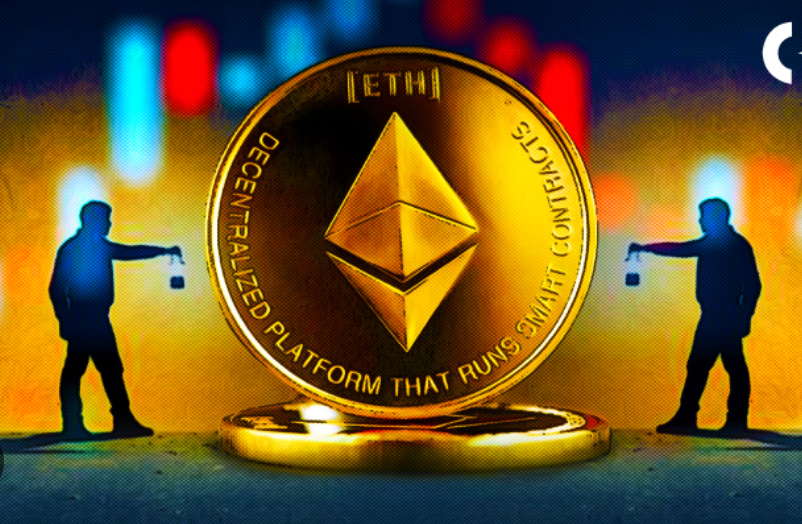
What is Ethereum’s ‘Address Poisoning’ Scam and How Can You Protect Your Investments?
Citi news highlights a troubling trend on the Ethereum network, where a surge in activity might not reflect true user growth. Instead, analysts suggest it could be fueled by deceptive practices, particularly the notorious “address poisoning” scam. This cyber threat raises significant concerns for investors navigating the complex world of cryptocurrency.
In the decentralized finance (DeFi) landscape, address poisoning involves malicious actors exploiting transaction records. They aim to confuse users by sending tiny amounts of Ethereum to their wallets, mimicking legitimate transactions. This tactic intends to deceive users into sending assets to scam addresses, resulting in potential financial losses.
Understanding these scams is crucial for safeguarding your investments. As the crypto space evolves, so do the strategies employed by fraudsters. Thus, staying informed about the latest scams and implementing protective measures is essential.
How ‘Address Poisoning’ Works
Address poisoning attacks target the transaction history within your Ethereum wallet. Scammers send small amounts of ETH, creating a transaction that appears similar to past legitimate ones. Consequently, users may inadvertently copy the wrong address when making transfers, sending funds to scammer-controlled wallets. This technique is insidious, leveraging human error and the complex nature of blockchain addresses.
Protecting Your Crypto Assets
To shield your investments from these scams, vigilance is key. Always double-check wallet addresses before initiating transactions. Consider using wallet software or apps that verify address details for you. Additionally, stay updated on security practices by following trusted crypto news sources.
For more insights on safeguarding your digital assets, explore our detailed resources on cryptocurrency security.
The Broader Implications for the Ethereum Network
The rise in scam activities on Ethereum raises broader questions about network security and user trust. While Ethereum continues to be a preferred platform for decentralized applications, these incidents highlight vulnerabilities that could deter potential users. Moreover, increased scam activity might inflate transaction volumes, giving a misleading picture of network growth.
However, Ethereum’s community and developers are proactive in addressing these challenges. Initiatives aimed at enhancing security protocols and educating users about potential threats are underway. As the network matures, these efforts will be crucial in fostering an environment where genuine growth can thrive unhampered by fraudulent activities.
Staying Ahead of Crypto Scams
The dynamic world of cryptocurrency demands constant vigilance. Investors must remain informed about evolving threats and adapt their security measures accordingly. Engaging with reputable platforms and communities can provide valuable insights into the latest trends and threats.
Consider leveraging trusted exchanges and referral programs to enhance your crypto journey. Explore the opportunities available through platforms such as Binance for secure and efficient trading experiences.
In conclusion, while the Ethereum network faces challenges from scams like address poisoning, informed and cautious investors can still thrive. By understanding these threats and implementing robust security practices, you can protect your investments and participate confidently in the crypto ecosystem.




Comments are closed.