
$JPY #BankOfJapan #InterestRates #Inflation #Economy #Finance #EconomicPolicy #GlobalMarkets #Investment #FiscalPolicy #MonetaryPolicy #FinanceNews
Why Did Japan Hike Interest Rates to a 30-Year High? What It Means for Your Wallet!
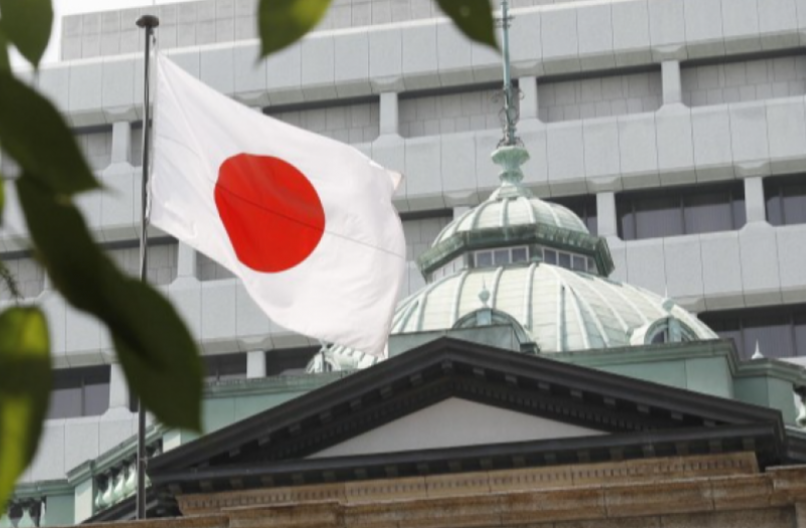
In a significant move that has caught the attention of global markets, the Bank of Japan (BoJ) recently raised interest rates to their highest level in three decades. This decision arises amid persistent inflation and a sluggish economy. As investors and consumers navigate this evolving landscape, understanding the implications of this bank news is crucial for financial planning.
The BoJ’s decision to increase rates signals a shift in its long-standing monetary policy, which has traditionally favored low-interest rates to stimulate economic growth. This change comes as inflationary pressures remain above the BoJ’s target, prompting policymakers to act decisively. Rising prices for goods and services indicate that the economy may be heating up, despite signs of weakness in other areas. The central bank aims to curb inflation while fostering sustainable economic growth.
Inflationary trends in Japan have raised concerns among consumers and investors alike. Higher interest rates could lead to increased borrowing costs for households and businesses. Consequently, individuals may see higher mortgage payments or increased costs for loans. This situation could suppress consumer spending, impacting overall economic activity. As a result, consumers should prepare for potential shifts in their financial landscape.
For investors, the implications of the BoJ’s rate hike are multifaceted. A stronger yen could emerge as a result, affecting Japanese exports. Conversely, increased borrowing costs may deter investments in domestic companies, leading to potential declines in stock prices. Investors must stay vigilant and adapt their strategies based on these developments. Those interested in Japanese equities can explore opportunities in the market through various sectors.
Moreover, this rate hike could influence global financial markets. As Japan’s economy interacts with the global landscape, changes in monetary policy could impact currency values and investor sentiment worldwide. Investors should remain informed about how this rate increase may affect their portfolios and investment choices.
In the realm of cryptocurrency, market reactions to central bank decisions are often pronounced. As traditional markets respond to the BoJ’s actions, the cryptocurrency market may also experience volatility. Investors should consider potential correlations between traditional assets and digital currencies, staying alert to shifts in market sentiment. For more insights on cryptocurrency trends, visit relevant text.
The BoJ’s move highlights the delicate balance required to manage inflation while ensuring economic stability. Policymakers must navigate complex dynamics, weighing the risks of inflation against the need for sustainable growth. As the global economy evolves, central banks worldwide will be closely monitoring Japan’s actions.
In summary, the Bank of Japan’s decision to raise interest rates marks a significant departure from its previous policies. As inflation remains a pressing issue, consumers and investors must adapt to this changing economic landscape. Understanding the ramifications of this bank news is essential for making informed financial decisions. Stay tuned for further updates as the situation develops, and consider how these changes may impact your financial strategies. For insights into the stock market, explore relevant text.





Comments are closed.