
Why Are Sugar Prices Skyrocketing and How Can You Benefit?
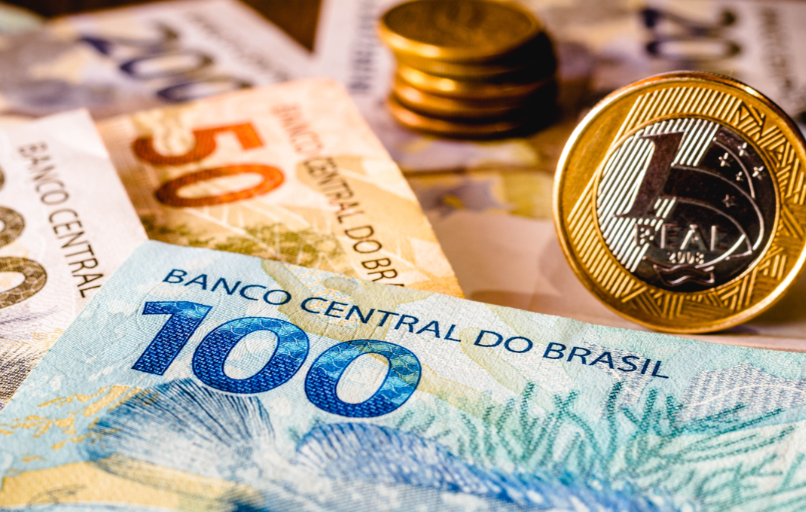
In recent sugar news, prices for both New York’s world sugar #11 and London’s ICE white sugar are seeing an upward trend. The March contracts for these sugar futures have risen, with New York sugar up by 1.49% and London sugar climbing by 1.19%. This increase follows a notable rally in the Brazilian real, which has reached a 1.5-month high against the U.S. dollar. The strengthening of the Brazilian currency encourages short covering, which propels sugar prices higher.
The Role of the Brazilian Real in Sugar Pricing
The Brazilian real’s appreciation plays a pivotal role in sugar pricing. When the real strengthens, sugar prices often rise because Brazil is a leading sugar exporter. A stronger real makes Brazilian exports more expensive for foreign buyers, prompting traders to adjust their positions. This adjustment, known as short covering, further drives up prices as traders close out their short positions to minimize potential losses.
Understanding Short Covering in Commodity Markets
Short covering occurs when traders who initially sold sugar futures at higher prices buy back the contracts to close their positions. This activity typically happens when the market moves contrary to their expectations, such as when the Brazilian real strengthens unexpectedly. Short covering increases demand for sugar futures, adding upward pressure on prices.
Implications for Investors and Traders
For investors and traders, these movements in sugar prices present opportunities and risks. Those invested in sugar futures could see potential gains as prices rise. However, the volatile nature of commodity markets requires careful analysis and strategic positioning. It is crucial for investors to monitor currency fluctuations, particularly in major exporting countries like Brazil, to make informed trading decisions.
Strategies to Capitalize on Sugar Price Fluctuations
To benefit from the current sugar price trends, investors should consider several strategies. Diversifying portfolios to include commodities like sugar can provide a hedge against inflation and currency fluctuations. Additionally, keeping an eye on currency markets can offer insights into potential price movements in sugar futures. For those interested in exploring more about stock market opportunities, visit our stock category for comprehensive insights.
Long-Term Outlook for Sugar Markets
Looking ahead, the sugar market’s trajectory will likely depend on a mix of factors, including global supply and demand dynamics, weather conditions in key producing regions, and ongoing currency fluctuations. Investors should remain vigilant, continuously reassessing their strategies to adapt to changing market conditions.
In conclusion, recent sugar news highlights the significant impact of the Brazilian real on sugar prices. By understanding the underlying factors driving these price movements, investors and traders can better navigate the complexities of the commodities market. Keep informed and explore diverse investment strategies to capitalize on these trends.





Comments are closed.