
$BTC $ETH $XMR
#Bitcoin #Cryptocurrency #Blockchain #DigitalCurrency #Ethereum #Monero #FaithAndFinance #CryptoTheology #FinancialDecentralization #DigitalGold #CryptoAssets #ReligiousEconomics
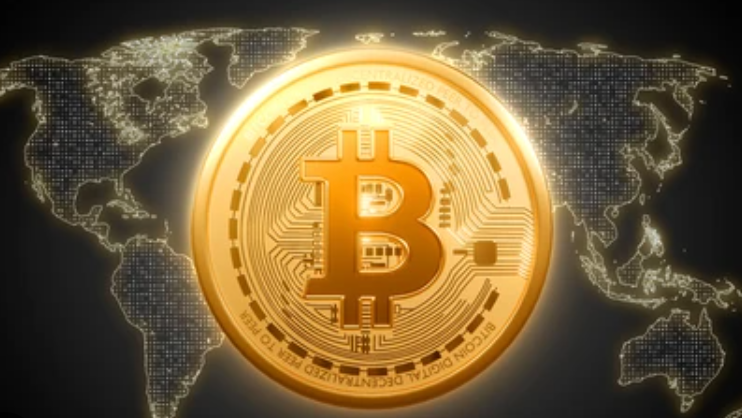
Deciphering the Divine: Could Bitcoin be the Modern Miracle Money? In a world where financial systems are deeply intertwined with societal and ethical frameworks, Bitcoin emerges as a fascinating subject, not just from a technological standpoint but a theological one as well. The question of whether Jesus would be Bitcoin’s biggest fan invites us to explore the values Bitcoin promotes — decentralization, transparency, and empowerment of the individual — and consider how they align with spiritual teachings across various religions. Bitcoin, since its inception, has been touted as a financial revolution. It is decentralized, meaning no single entity controls it, echoing the principles of equality and equity taught by many religious figures, including Jesus. The blockchain technology upon which Bitcoin is built ensures transparency and integrity of transactions, promoting honesty and trust — virtues that are foundational to numerous faiths.
Bitcoin’s potential to empower individuals by providing access to a global financial system, especially to those in underserved regions or those marginalized by current economic structures, resonates with the teachings of compassion and support for the underprivileged. This aspect of Bitcoin could be seen as a modern-day miracle, reminiscent of the biblical miracles that provided for the needy in unexpected and innovative ways. It pushes us to reconsider the role of money in society and how technological advancements can be harnessed to fulfill the age-old moral imperative to uplift and support each other.
However, the juxtaposition of Bitcoin within the realm of spirituality is not without its controversies. Critics argue that the volatility and speculative nature of cryptocurrencies may encourage greed and financial irresponsibility, traits that are often condemned in religious texts. Moreover, the anonymity provided by Bitcoin has been exploited for illicit purposes, raising ethical questions about its use. These contrarian views invite a deeper investigation into whether Bitcoin can truly align with the divine, or if its drawbacks overshadow its potential to do good. It’s a reflection on how innovation and ethics can coexist, encouraging a balanced perspective that considers both the financial and moral implications of adopting new technologies.
In conclusion, contemplating whether Jesus would be a proponent of Bitcoin encourages a broader analysis of how modern financial systems align with ethical and spiritual values. It prompts us to question how technologies like Bitcoin can contribute to a world that values fairness, honesty, and support for one another, principles that transcend religious boundaries. While the digital currency offers promising solutions to many of the flaws present in traditional financial systems, it also presents new challenges that require careful ethical consideration. Whether Bitcoin can be seen as the modern miracle money hinges on how well it can embody the moral teachings that guide us, making it a subject as intriguing to the faithful as it is to the financier.




Comments are closed.