
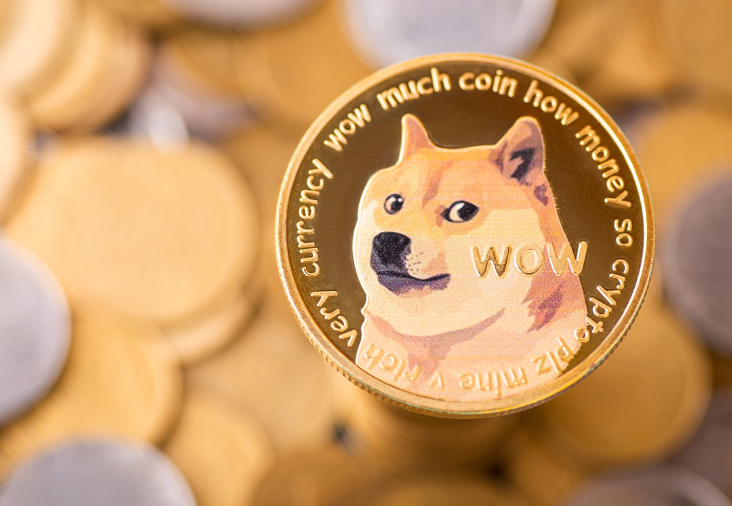
$DOGE $BTC $ETH
#Dogecoin #DOGERally #CryptoTrading #Cryptocurrency #Bitcoin #Ethereum #CryptoAnalysis #CryptoRiskIndicator #Blockchain #Investing #DigitalCurrency #MarketTrends
In the realm of cryptocurrencies, Dogecoin (DOGE) has stood out this past week with an impressive 16% rally, drawing considerable attention from investors and analysts alike. Amidst the surge, a notable development has been the spotlight on a “Risk Indicator” devised by CryptoQuant community manager Maartunn. This analytical tool, which tracks the percentage change over the last 168 hours (7 days), has recently signaled a red alert following Dogecoin’s notable price leap. The indicator is designed to predict potential risk zones by identifying significant percentage changes. This development raises questions about the inherent volatility and speculative nature of memecoins like Dogecoin, especially in relation to Bitcoin (BTC) and the broader cryptocurrency market. Historically, excessive enthusiasm for memecoins, exemplified by abrupt price surges, is perceived as a sign of growing market greed, which could prelude a bearish turn for cryptocurrencies at large.
The dynamics between Dogecoin’s price movements and the health of the broader cryptocurrency market are intricate. When the Dogecoin Risk Indicator flashes red, as it has recently, it traditionally hints at a peak in Bitcoin’s price trajectory, subsequently impacting the entire cryptocurrency sector. This correlation suggests that memecoin rallies, particularly Dogecoin’s, tend to precede market corrections or downturns, underpinning the speculative fervor that can momentarily distort the market’s equilibrium. The logic behind this pattern is rooted in the psychology of cryptocurrency traders and investors, where a surge in greedy speculative trading often implies an impending market correction. These periods of rapid growth in Dogecoin’s value not only reflect the coin’s speculative appeal but also underscore the broader market’s susceptibility to swift sentiment shifts, spotlighting the challenges and opportunities within cryptocurrency investment strategies.
Moreover, the phenomenon of memecoin rallies, including Dogecoin’s recent upswing, underlines the speculative dynamics that pervade the cryptocurrency market. Investors, lured by the prospect of quick returns, often rally around coins like Dogecoin, driving up their value in a short span. However, this speculation-backed enthusiasm is a double-edged sword; while it can lead to significant short-term gains, it also introduces heightened volatility and risk. These market dynamics are further complicated by the average holding times of major cryptocurrencies, as reported by market intelligence platform IntoTheBlock. Interestingly, while Bitcoin leads with an average holding period of 4.4 years, memecoins like Dogecoin, along with Ethereum and Shiba Inu, show a substantial holding period of 2.4 years, indicating a mix of speculative trading and long-term investment among the community.
As the Dogecoin rally begins to plateau, with the coin’s price steadying around $0.142, the market faces a moment of reflection. The observed patterns and indicators, such as the Dogecoin Risk Indicator, serve as critical tools for investors navigating the speculative waves of the cryptocurrency market. They highlight the complex interplay between investor sentiment, speculative trading, and the underlying value propositions of digital currencies. Ultimately, these dynamics shape the market’s trajectory, influencing strategies and decisions across the cryptocurrency investment landscape. As the market continues to evolve, the importance of analytical tools and a nuanced understanding of the market’s speculative and investment-driven facets becomes ever more critical in predicting future movements and identifying opportunities within the volatile realm of cryptocurrencies.




Comments are closed.