
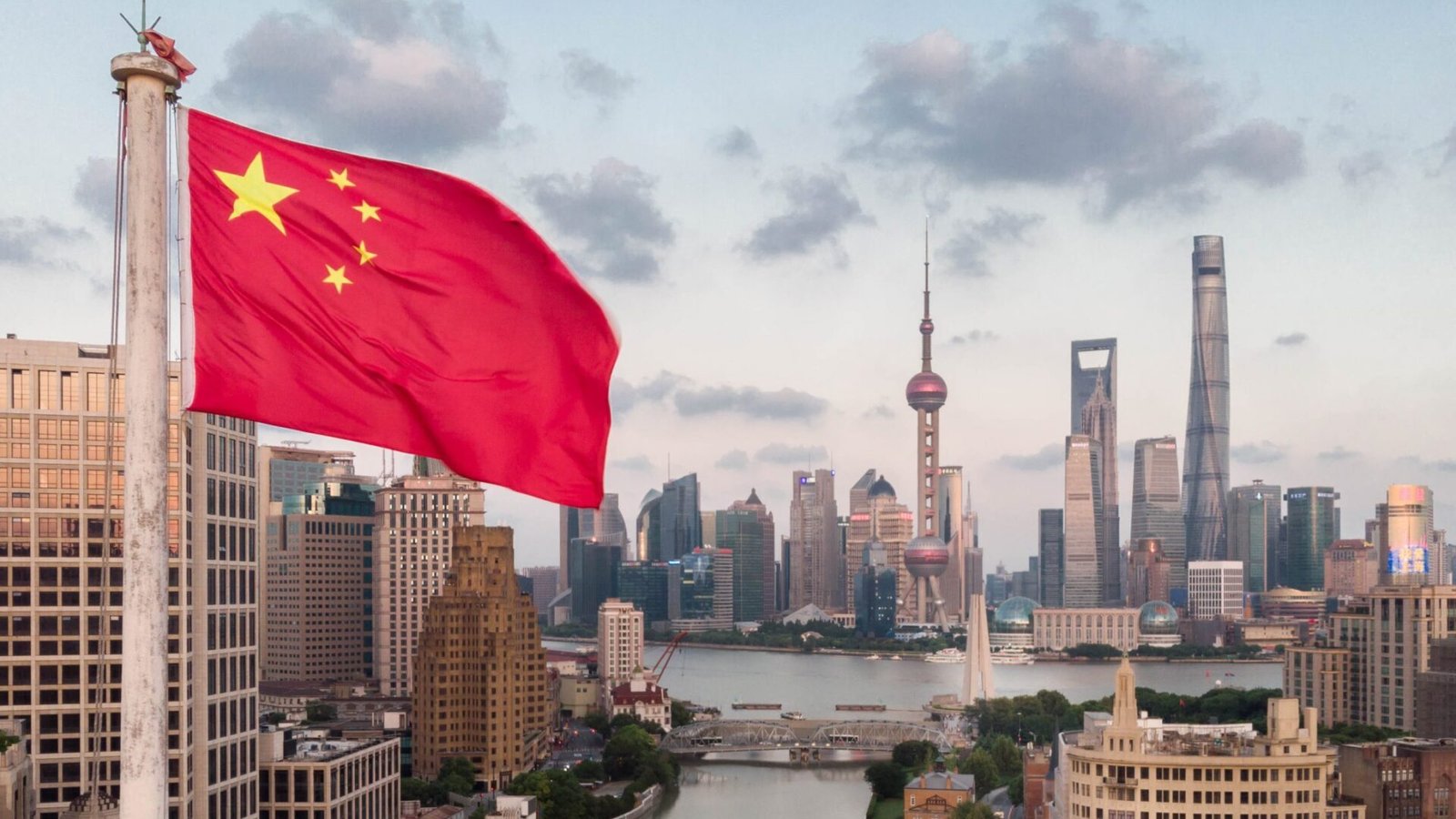
#China #WuXi #Pharma #USRestrictions #BiosecureAct #NationalSecurity #Drugmakers #Healthcare #Biotechnology #Legislation
In recent developments, WuXi, a prominent figure in the pharmaceutical industry based in China, is considering the sale of some of its units amid looming restrictions by the United States. This situation arises as the U.S. Congress deliberates on the Biosecure Act, a piece of legislation that aims to tighten national security measures around the biotech and pharmaceutical sectors. The act raises significant concerns for companies like WuXi, which have historically enjoyed a robust customer base in the United States. The potential enactment of this law could detrimentally impact these Chinese pharmaceutical firms by drastically reducing their access to one of the world’s largest markets for pharmaceutical products.
The Biosecure Act is part of a broader push by the United States to safeguard its biotechnology and pharmaceutical supply chains from foreign interference, particularly from countries it considers rivals or adversaries, such as China. This legislative move is reflective of the growing geopolitical tensions and the increasing scrutiny of Chinese investments and companies in sensitive sectors in the U.S. For WuXi and similar companies, the threat is not just a loss of direct business but also the longer-term implications for their global operations and strategic positioning. The act underscores the U.S. commitment to securing its national health and biotech frameworks against perceived vulnerabilities, including reliance on foreign entities for critical health infrastructure and supplies.
WuXi’s contemplation of selling its pharmaceutical units is a strategic maneuver in response to these challenging regulatory landscapes. By considering such a significant restructure, WuXi aims to mitigate the impact of any potential unfavorable U.S. legislation. This move also signals to the market and global observers the serious implications of the Biosecure Act for international firms operating within or alongside the U.S. healthcare and pharmaceutical sectors. It highlights the precarious position of global pharmaceutical supply chains, which are increasingly subject to geopolitical winds and national security considerations.
Furthermore, this development comes at a crucial time for the global pharmaceutical industry, which is already navigating a maze of challenges including the aftermath of the COVID-19 pandemic, supply chain disruptions, and rising research and development costs. The possible sale of WuXi’s pharma units could ripple through the global pharmaceutical landscape, affecting not just the company and its direct stakeholders but also partners, competitors, and national healthcare systems deeply intertwined with the international supply chains. As such, the situation underscores the delicate balance between securing national interests and maintaining the global cooperation essential for the pharmaceutical industry’s success and resilience against health crises.



Comments are closed.