

#methaneemissions #climatechange #greenenergy #decarbonization #fossilfuels #USenergy #renewableenergy #environmentalpolicy #globalwarming #Bidenadministration
The United States, despite its leadership role in the global climate agenda and the Biden administration’s ambitious promises for a green transition, faces a daunting challenge with its escalating methane emissions. While the government has committed billions of dollars to renewable energy sources, clean technologies, and decarbonization efforts, the relentless rise in methane levels each year paints a troubling picture. Methane, a potent greenhouse gas, traps significantly more heat in the atmosphere than carbon dioxide on a per-molecule basis, making it 80 times more impactful than CO2 over a 20-year period. This alarming characteristic of methane underscores the urgent need for targeted strategies to combat its release.
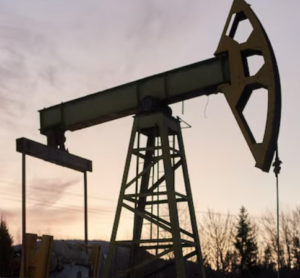
The surge in methane emissions can be directly linked to the booming oil and gas industries in the U.S. These sectors, essential to the nation’s economic framework, are also major contributors to the volume of methane released into the atmosphere. The extraction, processing, and distribution of these fossil fuels are fraught with opportunities for methane leaks, from drilling sites to the extensive network of pipelines crisscrossing the nation. Despite the technological advancements and regulatory measures aimed at limiting these emissions, the reality on the ground indicates a different story—with emissions continuing to rise, undermining efforts to mitigate climate change impacts.
This situation presents a complex paradox for the Biden administration and environmental policymakers. On one hand, there’s a clear and present necessity to transition towards a more sustainable and green economy, underpinned by renewable energy sources and decarbonization projects. On the other, the entrenched interests and infrastructure of the fossil fuel industry pose significant challenges to rapid transformation. The administration’s investments in green energy are a step in the right direction, yet the persistence of elevated methane emissions signals the need for a more aggressive approach. This might entail stricter regulatory frameworks, enhanced monitoring and accountability mechanisms for methane leaks, and substantial incentives to accelerate the adoption of clean technologies within the fossil fuel sector.
In light of the United Nations Environment Programme’s (UNEP) findings on the disproportionate impact of methane on climate change, it’s evident that addressing methane emissions is critical to global efforts to limit temperature rise. The U.S., as a leading emitter and technological innovator, is uniquely positioned to lead this charge. By reconciling its energy policies with environmental imperatives, fostering partnerships between government, industry, and the scientific community, and scaling up investment in renewable energies, the U.S. can turn the tide against methane emissions. This is not just about fulfilling international commitments or political promises—it’s about safeguarding the planet for future generations, ensuring that the transition to a green economy is not just a vision, but a reality.



Comments are closed.