

#China #SteelIndustry #IronOre #GlobalEconomy #CommoditiesMarket #PropertyMarket #GoldmanSachs #EconomicOutlook
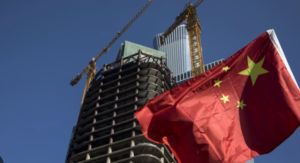
The global commodities market, after reaching its zenith in early 2022, has encountered a persistent downturn, primarily influenced by China’s protracted slump in the property sector. This downturn has significantly impacted the demand for base metals such as iron ore and copper. The stark warning from Hu Wangming, Chairman of Baowu Steel Group, the world’s leading steel producer, delineates the severe challenges faced by the industry, likening the current economic conditions to a “harsh winter.” This sentiment is reinforced by warnings of potential prolonged industry downturns reminiscent of those experienced in 2008 and 2015. The observational insights caution macro-economic observers, predicting a sluggish recovery in China, possibly deferred further until post-US presidential elections, hinting at a cautious stance from Beijing regarding financial stimuli.
Goldman Sachs analysts, led by Aurelia Waltham and Daan Struyven, have presented a grim outlook for the Chinese iron ore sector. The analysis draws attention to the persistent bleak fundamentals, with iron ore prices lingering below the $100/ton mark. Despite decreases in both port and in-plant iron ore stocks, levels are anomalously high for what is typically expected during August. A notable survey from Mysteel indicates that a mere 1% of Chinese steel mills remain profitable, an alarming statistic that underscores the severe pressures on production and profitability. These findings are part of a broader narrative highlighting concerns over China’s property market, with Goldman’s property team revising downwards their forecasts for the sector, further compounding the adverse impacts on steel demand.
In addition to the dire predictions for the iron ore market, there’s an overarching concern regarding China’s economic growth trajectory. Macro data from July indicates a weakening across various sectors, including property sales and construction activities. The downturn in these critical areas places additional stress on the demand for steel, a situation exacerbated by Goldman Sachs’ property team’s forecast adjustments for the second half of 2024, painting a bleak picture of declining gross floor area sales and new construction starts. Such trends not only signal immediate challenges for the steel industry but also raise questions about long-term economic sustainability, considering China’s role as a global commodities consumer and the potential ripple effects on international markets.
Looking ahead, Goldman Sachs’ analysis suggests a cautious outlook for China’s GDP growth, projecting a deceleration to 3% by 2034, down from the nearly 7% average pre-pandemic. This anticipated slowdown is rooted in demographic shifts, the ongoing property market downturn, and an evolving global supply chain landscape, aiming to mitigate risks. These projections have significant implications for global commodity markets, including steel, with expected reductions in demand growth. Moreover, the potential for decreased indirect steel exports through manufacturing, coupled with challenges in stimulating domestic demand, suggests a period of adjustment and realignment for China’s steel industry and broader economic ambitions.


Comments are closed.