
#Democrats #CryptoPolicy #Elections #SEC #DemocraticNationalCommittee #Cryptocurrency #ProCrypto #PoliticalInnovation
A group of lawmakers is taking a bold step by encouraging the Democratic National Committee (DNC) to warmly embrace cryptocurrencies and incorporate pro-crypto policies into the party’s platform. This move comes as digital currencies continue to gain mainstream attention and as the political landscape evolves with technological advancements. By advocating for a more crypto-friendly stance, these lawmakers are aiming to position the Democratic Party as a forward-thinking entity that acknowledges the significance and potential of blockchain technology and cryptocurrencies.
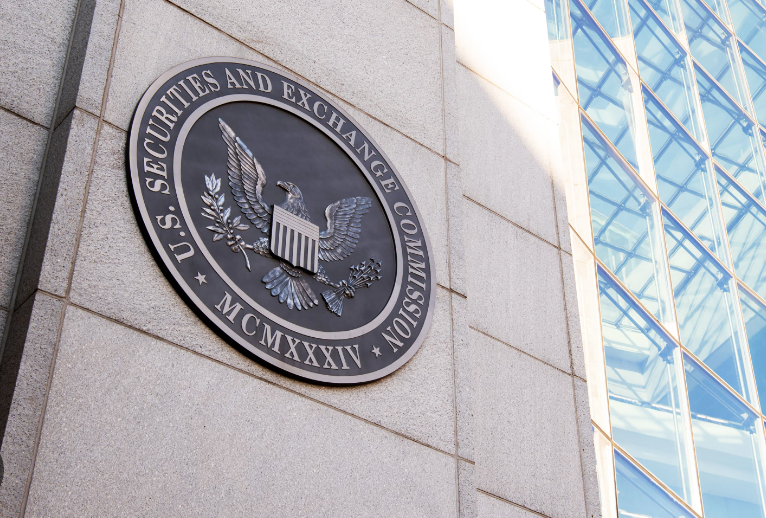
The call for pro-crypto leadership within the Securities and Exchange Commission (SEC) and the inclusion of cryptocurrency policies in the party’s platform highlights a strategic pivot towards innovation and modern financial systems. Given the growing adoption of cryptocurrencies across various sectors, integrating such policies could attract a technologically savvy demographic and potentially influence the party’s appeal among younger voters. Furthermore, this could signify a broader acceptance of digital currencies in the American political discourse, encouraging regulatory frameworks that facilitate rather than hinder the growth of the crypto industry.
However, this push towards integrating cryptocurrency into the party’s platform is not without its challenges. Cryptocurrencies are often associated with high volatility, security concerns, and regulatory complexities that may pose significant hurdles to their broader acceptance. The Democratic Party will need to carefully consider how to address these challenges in order to develop coherent, effective policies that ensure consumer protection, market stability, and innovation. Despite these potential obstacles, the lawmakers’ initiative signifies an important step towards acknowledging and integrating digital currencies into the mainstream political and economic conversation, paving the way for more nuanced debates and policies concerning the future of finance and technology.





Comments are closed.