

#Trump #Authoritarianism #PoliticalHistory #AssassinationAttempt #PersonalityCults #USPolitics #RuthBenGhiat #AuthoritarianPlaybook
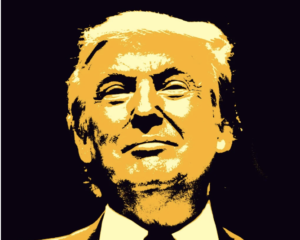
In an analysis that draws parallels with historical authoritarian figures, Ruth Ben-Ghiat, a history professor at New York University, expressed concerns over how former President Donald Trump might exploit an assassination attempt for political gain. Highlighting in an article for The Conversation, Ben-Ghiat notes that assassination attempts can paradoxically strengthen a leader’s position, garnering sympathy and bolstering their cult of personality among followers. She pointed to how leaders like Fidel Castro and Benito Mussolini historically benefited from such attempts on their lives, suggesting Trump might use the situation in a similar manner to enhance his image of invincibility and toughness.
Ben-Ghiat elaborates on the common thread among authoritarian leaders, including the likes of Adolf Hitler and Mussolini, to cast themselves as victims while simultaneously positioning themselves as the singular protectors of the nation. This dual narrative, she argues, not only consolidates their power but also cements their status as irreplaceable figures capable of saving the people and leading them to greatness. Trump’s response to the shooting incident, as detailed by Ben-Ghiat, seems to follow this authoritarian playbook, with significant emphasis on portraying himself as a victim of conspiracy while drawing even deeper loyalty from his supporters.
The aftermath of the assassination attempt has reportedly seen a wave of solidarity from Republicans and Trump’s base, many of whom visibly demonstrated their support and shared identity with Trump through symbolic gestures like wearing ear bandages at the Republican National Convention. This incident not only amplified Trump’s victim narrative but also potentially reinforced his followers’ perception of him as embodying the nation’s spirit and making personal sacrifices for their cause. Ben-Ghiat warns that such incidents, viewed through an authoritarian lens, could justify drastic measures and policies aimed at centralizing power or dispensing with opposition, invoking concerns over Trump’s potential to leverage this for “vengeance and retribution” against perceived adversaries. Furthermore, the implication of these dynamics in the context of broader historical patterns of authoritarianism raises alarming questions about the trajectory of political leadership and its implications for democracy.



Comments are closed.