
#Trump #AssassinationAttempt #WorldLeaders #PoliticalViolence #Solidarity #Democracy #SpeedyRecovery #InternationalReactions
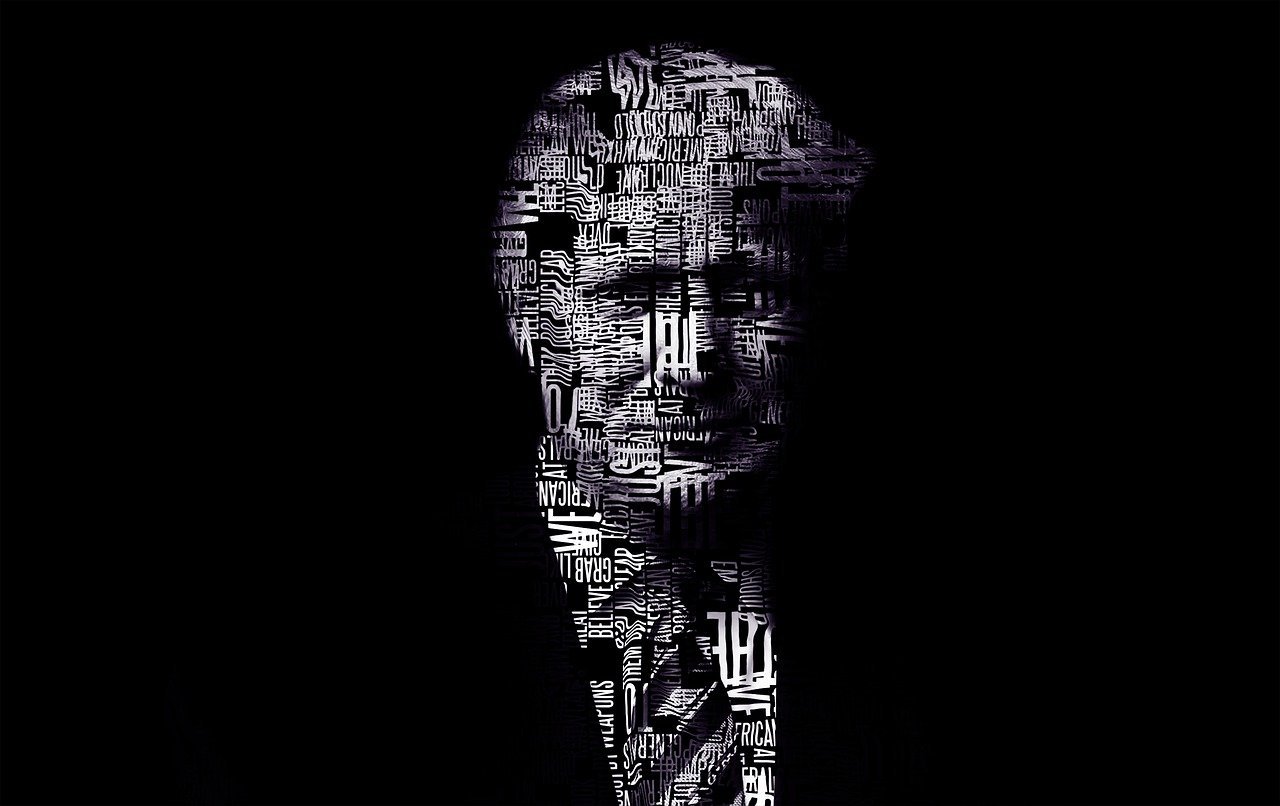
The attempted assassination of former President Donald Trump has drawn widespread condemnation and expressions of solidarity from world leaders, highlighting a unanimous stand against political violence. Leaders from various nations, including India’s Prime Minister Narendra Modi, Argentina’s President Javier Milei, and China’s President Xi Jinping, have all voiced their concern and support for Trump. The incident, which resulted in Trump being clipped by a bullet, has not only shocked political figures but has also sparked a global dialogue on the safety of public figures and the integrity of democratic processes.
Prime Minister Modi referred to Trump as a friend and underscored the notion that violence has no place in politics or democracies. Milei’s reaction, attributing the attack to “the international left” and labeling it as a “cowardly assassination attempt,” reflects a polarized perspective on the motives behind the attack, despite little official information about the shooter’s intentions. This divergence in interpretations underscores the politically charged nature of the incident. Meanwhile, expressions of compassion and sympathy, such as those from Xi Jinping, and condemnations of political violence from figures like Vladimir Putin, demonstrate a broad consensus against using violence as a means to political ends.
The global response also includes poignant reflections on the broader implications of such violence. Josep Borrell of the European Union and NATO chief Jens Stoltenberg have both emphatically rejected political violence, reinforcing the principle that democracy cannot flourish in an environment where political figures are subjected to violent attacks. The collective sentiment from leaders around the world is one of shock, concern for Trump’s recovery, and a reaffirmation of democratic values. This incident serves as a somber reminder of the challenges facing global political stability and the importance of safeguarding the sanctity of political discourse.
Moreover, the incident has catalyzed a flood of support for Trump from a diverse array of international leaders, transcending political ideologies to some extent. While the motivations behind the attack remain unclear, the incident has undeniably underscored the universal condemnation of violence as a tool in the political arena. The response from the international community emphasizes the need for dialogue, tolerance, and respect for democratic principles in resolving political disputes. As investigations continue, it is hoped that the outpouring of sympathy and solidarity will help to strengthen the collective resolve against political violence, ensuring that democracy remains a safe space for ideological exchange and conflict resolution.


Comments are closed.