
#Biden #DebateMeltdown #CognitiveDecline #WhiteHouse #Election2024 #DemocraticParty #JoeBiden #USPolitics
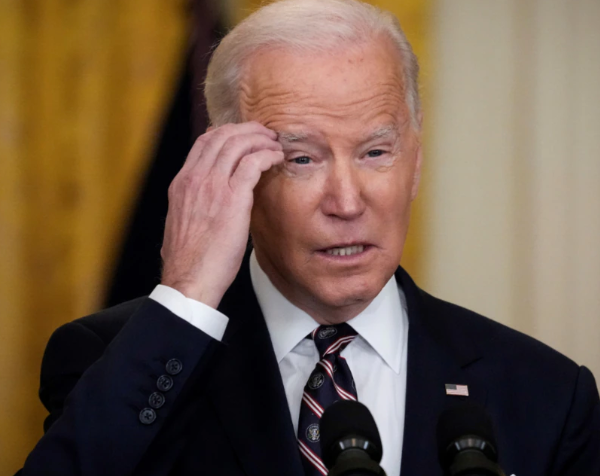
In a startling turn of events, the aftermath of President Joe Biden’s recent debate performance has spurred widespread discussion and concern over his cognitive capabilities and the implications it could have on his future and that of the Democratic Party. Reports and reactions following the debate have highlighted what many are calling a clear sign of cognitive decline, undermining the narrative that such concerns were merely right-wing conspiracy theories. This has led to calls from various quarters, including a notable editorial from the New York Times, urging Biden to consider stepping down from the race for the 2024 Presidential election.
The White House, in reaction, has attempted to reassurance the public about Biden’s competence, insisting he remains “dependably engaged” during specific hours of the day. However, this defense appears to inadvertently confirm rumors of Biden experiencing “sundowning” symptoms, a term used to describe a state of confusion or agitation that worsens in the late afternoon and evening, traditionally associated with dementia. This admission adds fuel to the fire of concern surrounding Biden’s ability to fulfill the demanding responsibilities of the presidency.
At the heart of the decision regarding Biden’s political future is what has been described as a “kitchen cabinet” of lifelong family advisors and close allies. This intimate circle, including his wife Dr. Jill Biden, sister Valerie, and long-time friend Ted Kaufman, alongside a small cadre of White House advisors, essentially holds the power to influence Biden’s decision-making process. Their eventual verdict on whether Biden continues his reelection campaign could pivot on a complex evaluation of Biden’s personal wellbeing versus the perceived electoral viability against potential rivals, including former President Donald Trump and Vice President Kamala Harris. Amidst this critical juncture, the Democratic Party faces internal and external pressures, worried that Biden’s perceived vulnerabilities could impact not only the presidential race but also down-ballot races in the upcoming elections.





Comments are closed.