
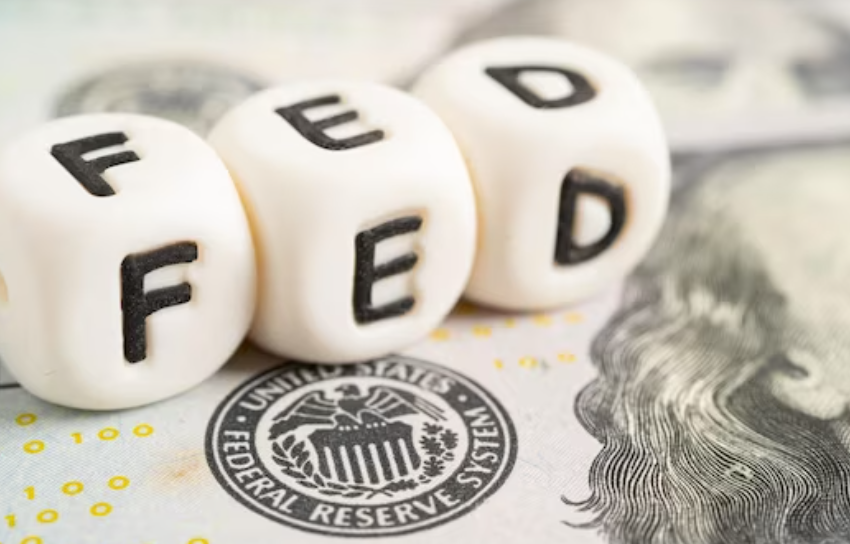
#FederalReserve #InterestRates #Economy #DavidRubenstein #USPolitics #EconomicPolicy #Inflation #NovemberElection
David Rubenstein, co-founder of The Carlyle Group and a prominent figure in financial circles, recently shared insights that could temper expectations among investors and market watchers regarding the future actions of the Federal Reserve, particularly as the November elections approach. Rubenstein’s analysis suggests that those anticipating rate cuts from the Federal Reserve before the election might need to recalibrate their expectations. This perspective holds significant implications for the economic landscape, financial markets, and the broader context of monetary policy in an election year.
The Federal Reserve has a pivotal role in shaping the economic environment through its control over monetary policy, including the setting of interest rates. Interest rates, in turn, have a direct impact on consumer spending, business investment, and overall economic growth. A decision by the Federal Reserve to lower interest rates typically aims to stimulate economic activity by making borrowing cheaper, thus encouraging spending and investment. However, the timing of such decisions, especially in an election year, is closely watched due to the potential influence on the economy and, by extension, the electoral landscape.
Rubenstein’s caution against expecting a rate cut prior to the November election is grounded in an understanding of the Federal Reserve’s operational independence and its historically non-partisan approach to policy-making. The Federal Reserve, though sensitive to economic conditions, strives to maintain a distance from political pressures and election cycles. Therefore, its decisions are based primarily on its dual mandate to promote maximum employment and stabilize prices, rather than external factors such as upcoming elections. This viewpoint underscores the complexities of interpreting the Fed’s actions within the broader context of economic policy and political dynamics.
Moreover, Rubenstein’s comments come at a time when inflation concerns and economic recovery trajectories are at the forefront of policy discussions. The Federal Reserve’s approach to interest rates is a crucial tool in managing inflationary pressures while supporting economic recovery, especially in the uncertain climate following the global pandemic. Therefore, any signals or speculation about the Fed’s stance on interest rates are of paramount interest to investors, analysts, and the public. As the November election draws near, understanding the interplay between monetary policy, economic conditions, and political considerations becomes increasingly vital for those looking to navigate the complexities of the financial markets and the broader economy.

Comments are closed.