
#Trump #Charlottesville #Snopes #FakeNews #NeoNazis #FactCheck #Politics #MediaMisrepresentation
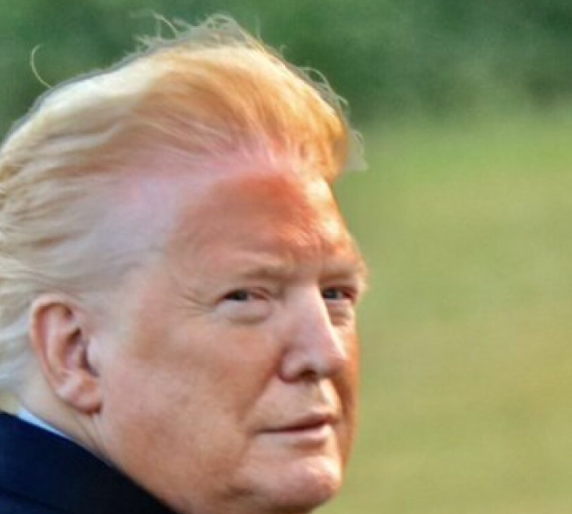
The longstanding controversy surrounding former President Donald Trump’s comments in the wake of the Charlottesville “Unite the Right” rally in 2017 has been a point of contention in American politics. Critics, including prominent Democrats and particularly President Joe Biden, have repeatedly claimed that Trump described neo-Nazis as “very fine people.” This narrative, deeply ingrained in political discourse, was challenged recently as Snopes, a fact-checking website, officially declared these assertions false. The correction comes after years of debate and just days before a highly anticipated debate between Trump and Biden in Atlanta, signaling a significant twist in the narrative that has been used against Trump for several years.
The origin of the controversy stems from Trump’s press conference following the violent events in Charlottesville, where a clash between white nationalists and counter-protesters led to tragically fatal outcomes. Critics have long maintained that Trump’s “very fine people on both sides” comment was an endorsement of neo-Nazi ideologies. However, a closer review of his statements and subsequent clarifications highlights that Trump explicitly condemned neo-Nazis and white supremacists, asserting they should be “condemned totally.” Despite the clarity of these condemnations, the misleading narrative persisted, often overshadowing Trump’s explicit disavowal of hate groups.
Snopes’ recent acknowledgment that Trump did not, in fact, praise neo-Nazis, but rather condemned them, casts a stark light on the persistence of misinformation in political narratives. This revelation not only challenges the veracity of the claims used against Trump but also raises questions about the impact of such assertions on political discourse and public perception over the years. It’s particularly noteworthy that this correction occurred just before a pivotal Trump-Biden debate, suggesting the potential for this new acknowledgment to influence public opinion and dialogue surrounding the upcoming electoral engagements.
The reaction to Snopes’ declaration has been mixed, with some expressing astonishment at the timing and content of the admission, while others reflect on how the misinformation influenced their perception of Trump’s stance. This episode serves as a reminder of the power of narrative in shaping political realities and the importance of due diligence in distinguishing between fact and misrepresentation. As the political landscape continues to evolve, the clarification by Snopes may prompt a reevaluation of certain aspects of Trump’s presidency and the media’s role in shaping political narratives.


Comments are closed.