
#Russia #Ukraine #Putin #Zelensky #Vietnam #Negotiations #Geopolitics #ColdWar2
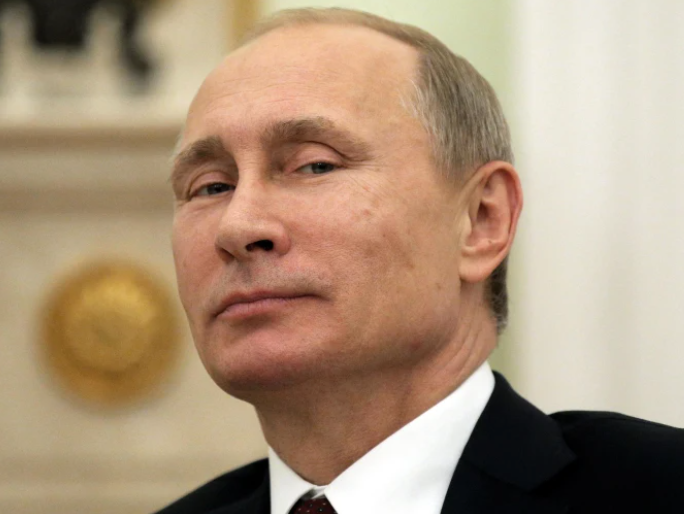
Russian President Vladimir Putin, at a press conference concluding his two-day Vietnam visit, firmly stated that Russia would “never” withdraw troops from Ukraine as a condition for starting negotiations with the government of President Volodymyr Zelensky. This unwavering stance underscores the deepening divide and escalating tensions between Russia and Ukraine, with both parties holding onto rigid positions that hinder the path to peace. According to state media, Putin dismissed the idea of troop withdrawal, a key demand of the Kiev regime, as an impossibility, framing it as a non-starter for any potential discussions meant to resolve the ongoing conflict.
In the backdrop of these statements, Putin also conveyed skepticism towards the West’s support for Zelensky, hinting at the possibility of the West scapegoating the Ukrainian leader for the failures in the war, potentially leading to his ousting next year. Furthermore, Putin labeled Zelensky “illegitimate” following the postponement of elections that were slated amidst the conflict, a move justified by martial law but criticized by Russia as an excuse to indefinitely defer peace talks. Putin’s characterization of Zelensky’s grip on power as being contingent on the continuation of war introduces a complex layer to the discourse, suggesting that the prolongation of conflict serves Zelensky’s political interests by delaying elections and maintaining his leadership.
This geopolitical standoff has resulted in heightened military activities, with Ukrainian forces targeting Russian oil facilities through cross-border and drone attacks, an aggressive strategy that has seen significant escalation in recent days. Russia’s retaliatory airstrikes aimed at Ukraine’s electricity grid, amidst existing infrastructural strain and rolling blackouts, signify a further escalation in hostilities. Putin’s comments on the West’s rejection of Russian-preconditioned peace talks reveal a profound deadlock, with both sides expressing little willingness to compromise, leaving the conflict’s resolution uncertain and the region’s stability in jeopardy.
The international community remains watchful as these developments unfold, with global leaders and diplomatic efforts continuing to seek a cessation of hostilities. Yet, the dynamic portrayed at the Hanoi press conference by President Putin reflects a complex interplay of military strategy, political survival, and international diplomacy that challenges the prospects for peace in the region. This scenario underscores the enduring tension in Eastern Europe and poses significant questions about the future trajectory of Russian-Ukrainian relations and the broader geopolitical stability in the post-Cold War landscape.




Comments are closed.