
#FederalReserve #EconomicPolicy #SoftLanding #InflationControl #InterestRates #MonetaryPolicy #FederalDebt #EconomicGrowth
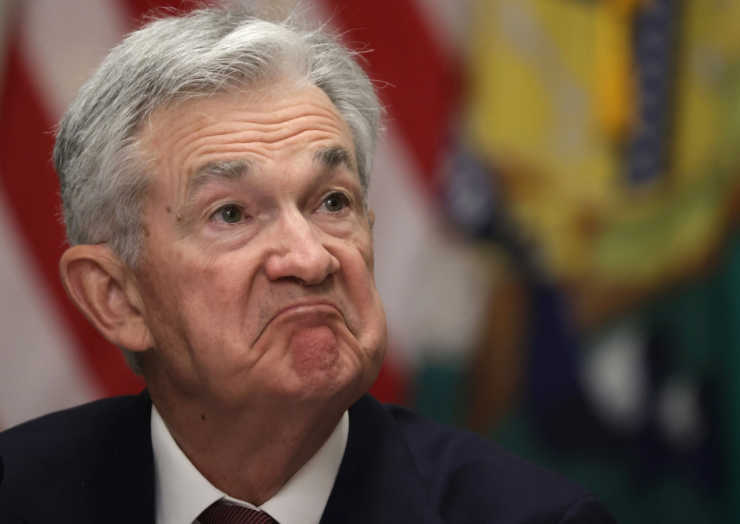
The Federal Reserve’s attempt at engineering a so-called “soft landing” for the U.S. economy, where the dual goals of tempering inflation without triggering a recession, is under scrutiny. The Fed has maintained the federal funds rate at 5.5 percent since July 2023, asserting that the economy will achieve moderate growth, robust employment figures, and moderating inflation. Fed Chair Jerome Powell’s narrative suggests a cautious optimism, with the Fed’s stance on interest rates remaining unchanged until inflation securely returns to the 2 percent target. This approach, according to Powell, aims at fostering conditions for an economic expansion phase without significant downturns.
However, skepticism surrounds this optimistic framing, highlighted by historical challenges the Fed has faced in achieving such a delicate balancing act. Critics argue that the Fed’s track record over the last 45 years does not support the feasibility of a soft landing. In past instances, the Fed has either denied the onset of a recession or has been slow to acknowledge economic downturns, responding by cutting interest rates only after significant damage has occurred. Such a pattern raises questions about the effectiveness of preemptive monetary policy measures in averting economic turmoil. Moreover, the assertion that the Fed operates with a singular focus on economic and employment stability is contested by the suggestion that it also prioritizes maintaining low interest rates to facilitate federal government borrowing.
The complexities of the Fed’s dual mandate—managing inflation while stimulating economic growth—are further compounded by the potential conflict between controlling price stability and accommodating federal deficit spending. Federal debt has soared, putting pressure on the Fed to balance between restraining interest rate hikes to avoid exacerbating government borrowing costs and the need to manage inflationary pressures. This intricate dance between fiscal and monetary policy illustrates the challenges faced by the Fed in navigating the economy toward a soft landing.
In essence, the Fed’s narrative of a controlled and stable economic trajectory contrasts sharply with the historical difficulties of executing such a strategy effectively. While Powell and the Fed emphasize a methodical approach towards returning to pre-set inflation targets and sustaining economic expansion, the underlying challenges of this strategy reveal a more nuanced and uncertain path forward. The debate around the Fed’s soft landing strategy underscores the complexities of monetary policy in managing the often conflicting demands of economic growth, inflation control, and fiscal prudence.



Comments are closed.