

#Macron #FrenchPolitics #EuropeanPolitics #BondMarkets #USInflation #EU #TradeTariffs #BankOfJapan
In a move that may significantly shape the landscape of French and European politics, President Macron’s decision to announce elections last Sunday, immediately following the European Parliament elections, has set the stage for a tumultuous period in French domestic politics. Macron’s gamble appeared to be an attempt to consolidate power by leveraging a fear-inspired wave of solidarity against the rising influence of Marine Le Pen’s National Rally. Unfortunately for Macron, this strategy seems to have backfired, with only 40% of his MPs gathering enough support to even qualify for a second round of run-off votes, according to the latest polls cited by Elwin de Groot, Head of Macro Strategy at Rabobank.
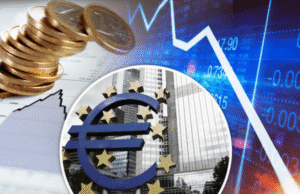
The political landscape in France has been further complicated by the decision of left-wing parties to unite under a joint programme and list of candidates, combining forces from the Greens, Socialists, Communists, and France Unbowed. This unity on the left stands in stark contrast to the division within Macron’s centrist camp, potentially setting the stage for a significant reshuffle of political power. Macron’s appeal to voters and moderate political parties to resist the “fever of the extremes” has thus far failed to stem his declining approval ratings, which have hit their lowest level in 5.5 years. Moreover, the discord in French politics has spilled over into the financial markets, with a marked risk-off sentiment leading to a decline in the yield on 10-year Bunds and a widening spread between French and German bond yields.
The ramifications of these political developments extend well beyond France. At the G7 meeting in Italy, Macron’s interactions were notably limited, with meetings only with Canada’s Trudeau and the leaders of Algeria, India, Brazil, and, intriguingly, the Pope. This, combined with France’s domestic turmoil, has prompted concern among investors, as evidenced by the drop in the euro and European equities. Meanwhile, on a broader scale, the EU’s quick decision to impose additional tariffs on Chinese EVs and the G7’s agreement to provide a $50 billion loan to Ukraine using frozen Russian assets demonstrate the global ramifications of rapid political and economic decisions. These developments underscore the volatile nature of current geopolitical and economic climates, where decisions made in haste can have long-lasting and unforeseen consequences.


Comments are closed.