
#inflation #Covid19 #economy #centralbanks #interestrates #financialmarkets #economicrecovery #monetarypolicy
The official announcement marks the culmination of a record-breaking fast-hiking cycle initiated in response to the inflation surge post-Covid-19. This cycle, unprecedented in its pace and scope, was a direct reaction to the economic turmoil triggered by the pandemic. Central banks around the world embarked on a rigorous series of interest rate hikes aimed at tempering the runaway inflation that threatened to derail the already fragile economic recovery. This was a testament to the unique challenges the global economy faced as it emerged from the shadow of Covid-19, battling supply chain disruptions, surging demand, and significant shifts in consumer behavior.
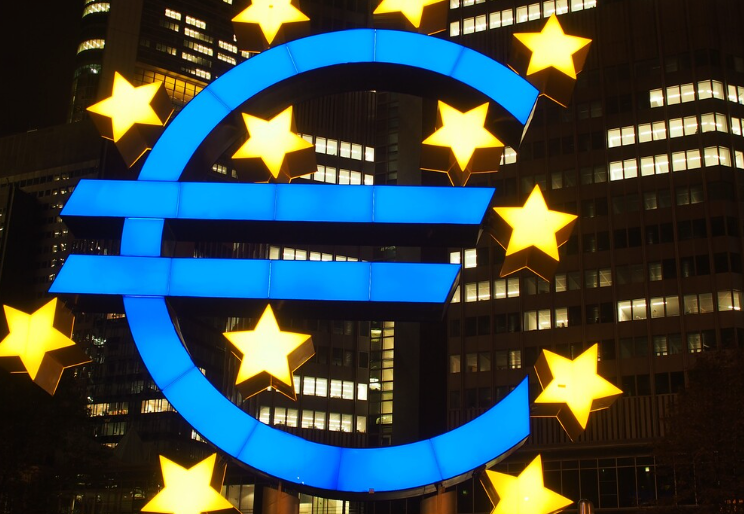
Throughout the pandemic and its aftermath, central banks, including the U.S. Federal Reserve, the European Central Bank, and others, have had to navigate a complex landscape. The balancing act involved stimulating economic growth while keeping inflation in check has been a paramount concern. These rate hikes were instrumental in curbing the inflationary pressures but also raised concerns about the potential for slowing down economic growth or even triggering a recession. The official end of this rapid interest rate hike cycle signals a significant shift towards stabilizing monetary policy practices, as central banks now seem to believe that inflation is under control or at least within manageable limits.
The implications of this shift are profound for financial markets and the global economy. Investors and market participants have been keenly observing central bank movements for signs of policy changes that could affect market dynamics and investment strategies. The end of the rate hike cycle suggests a move towards a more stable and predictable economic environment, which could bolster investor confidence and support further economic recovery. However, it also prompts questions about the long-term effects of these policies on debt levels, asset prices, and global economic health. As the world adjusts to this new phase in monetary policy, the lessons learned from this unprecedented period will likely shape future responses to global economic challenges.


Comments are closed.