
#FederalReserve #InterestRates #Economy #Inflation #StockMarket #MortgageRates #FinancialNews #JeromePowell
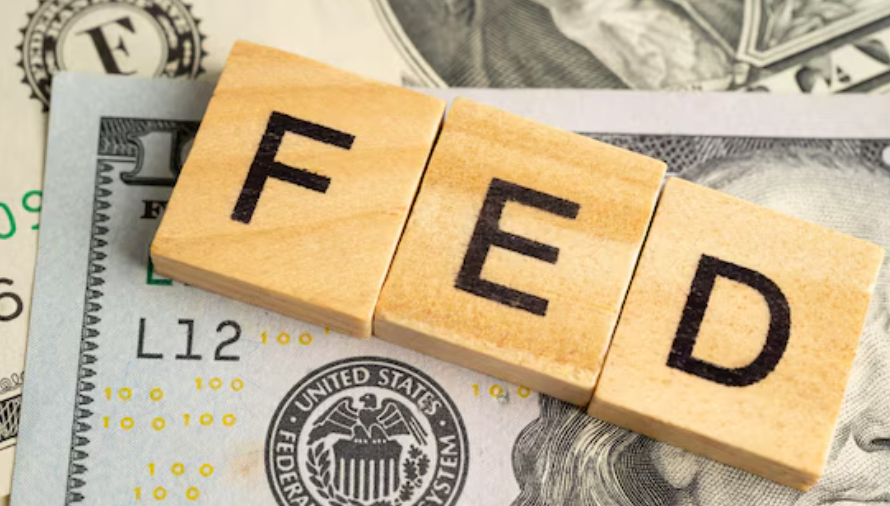
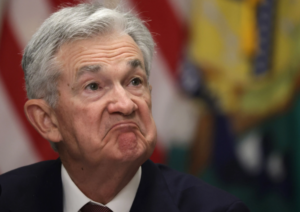
In a recent development that has captured the attention of financial markets and consumers alike, the Federal Reserve announced during its May 1 meeting that it will not be adjusting interest rates upwards. Federal Reserve Chairman Jerome Powell underscored this decision in his news conference, stating that an increase in rates is currently off the table, suggesting that the central bank’s next move is more likely to lean towards a rate cut rather than a hike. However, Powell tempered expectations by indicating that any potential rate cuts are unlikely to occur before the fourth quarter of 2024, citing persistently strong inflation levels that have exceeded the Fed’s forecasts.
This decision has brought a mixed bag of implications for the U.S. economy and its stakeholders. The delay in anticipated rate cuts temporarily dampened the optimism that had initially spurred a stock market rally following Powell’s remarks. The Standard & Poor’s 500 Index and the Dow Jones Industrial Average experienced significant fluctuations in the wake of the announcement, reflecting the market’s sensitivity to interest rate expectations and inflationary pressures. Furthermore, Powell’s acknowledgment of the “painful and inconvenient” journey towards reaching the Fed’s longstanding 2% inflation target rate highlights the particular strain on lower-income families, who are most vulnerable to economic shifts.
The broader economic landscape is also intimately tied to the Federal Reserve’s interest rate policies. Mortgage and consumer loan rates, for example, have been directly impacted by the Fed’s rate decisions, with even slight fluctuations affecting the affordability of housing and the cost of borrowing. Although mortgage rates saw a minor decrease following the Fed’s announcement, the overall high rate environment continues to challenge prospective homebuyers and dampen housing market activity. Moreover, the Fed’s strategic slowing of quantitative tightening—a measure intended to counteract inflation by reducing the amount of securities it sells monthly—represents a subtle yet significant effort to ease upward pressure on rates.
What’s particularly noteworthy is Chairman Powell’s staunch refutation of the notion that the U.S. economy is entering a period of stagflation, a scenario characterized by stagnant economic growth coupled with high inflation rates. Drawing contrasts with the economic tumult of the 1980s, Powell pointed to the current state of relatively low unemployment and moderate inflation as indicators that the economy, despite its challenges, is not facing a stagflation crisis. This perspective, alongside the Fed’s cautious yet hopeful outlook on interest rate adjustments and inflation management, underscores the complex balancing act the central bank faces as it navigates the uncertain waters of post-pandemic economic recovery and strives towards financial stability for all.

Comments are closed.