

#oilmarket #IsraelIranConflict #traderswatch #energyprices #geopoliticaltensions #crudeoil #marketvolatility #commoditytrading
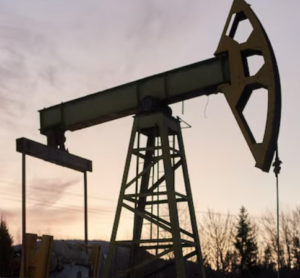
The global oil market has once again found itself at the epicenter of heightened geopolitical tensions after Iran’s recent attack over the weekend. Traders and investors across the globe are on high alert, closely monitoring Israel’s next moves and their broader implications for the oil supply chain and market stability. The Middle East, being a pivotal region for the world’s oil production, often sees its geopolitical disturbances reverberating through the global markets, affecting oil prices and thereby influencing global economic conditions.
The attack from Iran has not only reignited concerns over the fragile state of affairs in the region but has also prompted market participants to speculate on how these developments might influence oil supply dynamics. Israel, known for its significant strategic depth and military capabilities, is yet to respond, and the uncertainty surrounding its potential reaction is shaping market sentiments. Historically, tensions in this region have led to fluctuations in oil prices due to fears of supply disruptions. With the Strait of Hormuz serving as a critical chokepoint through which a vast portion of the world’s oil supply passes, any conflict escalating to the point of affecting this maritime passage could have far-reaching implications on global oil supply and, by extension, prices.
The anxiety among traders is palpable, with many bracing for a spike in oil prices which could follow an escalation in hostilities. Energy markets are notoriously sensitive to geopolitical risks, and the current situation is a stark reminder of how quickly tensions can translate into volatility in commodity markets. While it’s still early to predict the full impact of the recent attack and the awaited response from Israel, the potential for a significant shift in oil market dynamics is evident. Traders are keeping an eye on developments, knowing that any further escalation could disrupt oil flows, strain global supply chains, and push prices higher in a world economy already dealing with inflationary pressures and the aftermath of a pandemic.
The international community is closely watching the unfolding events, recognizing the broader implications that an escalation between Israel and Iran could have on global stability and economic recovery. Governments, energy agencies, and international organizations are likely to seek ways to mitigate the impact on the oil markets and prevent a full-blown energy crisis. The coming days are crucial, as the world waits to see how the situation unfolds and what measures, if any, are taken to calm the markets and ensure the continuous flow of oil. The oil market’s response to these geopolitical tensions underscores the intricate connections between global politics and economic sustainability, highlighting the need for proactive measures to ensure energy security and market stability in an increasingly unpredictable world.


Comments are closed.