
#MarketFear #InvestorCaution #VolatilityIndex #SafeHavenAssets #BondYields #FederalReserve #InflationConcerns #StockMarket
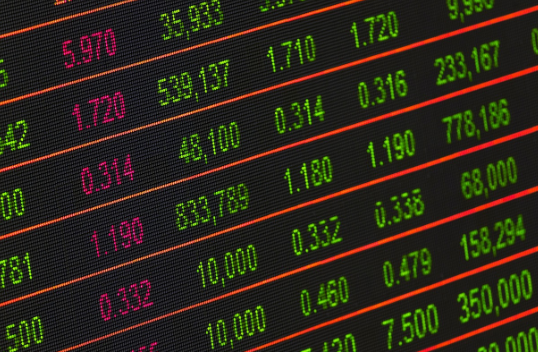
In recent times, significant indicators that reflect the levels of fear and trepidation within financial markets have shown an uptick, suggesting that investors are treading more cautiously. These indicators, often seen as the market’s “fear gauges,” encompass a variety of metrics, including the Volatility Index (VIX), the movement in safe-haven assets like gold and government bonds, and shifts in bond yields. Each of these metrics offers a different perspective on investor sentiment and perceived market risk, converging on a narrative of growing caution among investors.
The Volatility Index, often referred to as the Wall Street’s “fear gauge,” has seen an increase, signaling that investors are preparing for potential market disturbances. The VIX measures the market’s expectation of volatility over the near term, with higher readings indicating greater uncertainty and fear. This rise is reflective of various factors, including concerns over inflation rates, the pace of the Federal Reserve’s interest rate hikes, and geopolitical tensions that could destabilize markets. In response to these uncertainties, there has been a noticeable shift in investment patterns, with a pivot towards safe-haven assets such as gold, whose prices have risen as investors seek to hedge against volatility and protect their portfolios.
Moreover, movements in bond markets also provide insights into the prevailing investor sentiment. Typically, a fall in bond yields, accompanied by a rise in prices, indicates a flight to safety, as investors move capital away from equities and into government securities. This shift often suggests a lack of confidence in the economic outlook, spurring precautionary measures. The Federal Reserve’s actions, particularly regarding interest rates to combat inflation, play a critical role in shaping investor sentiment. Tightening monetary policy, for instance, can dampen economic growth prospects, leading to an increase in market caution.
When considering these developments, it becomes evident that the uptick in fear gauges is not an isolated event but a reflection of a broader environment of uncertainty. Investors, facing an array of potential risks, from inflationary pressures to geopolitical conflicts, are recalibrating their risk appetites and investment strategies. This cautious approach, while potentially limiting losses, also underscores the challenges facing the global economy. As central banks navigate the precarious balance between curbing inflation and supporting growth, the trajectory of these fear indicators will be closely watched. They not only provide a real-time snapshot of market sentiment but also influence financial decision-making and policy responses in a bid to ensure economic stability and growth.

Comments are closed.